2026 Best Medical Air Purifier for Healthier Home Environment?
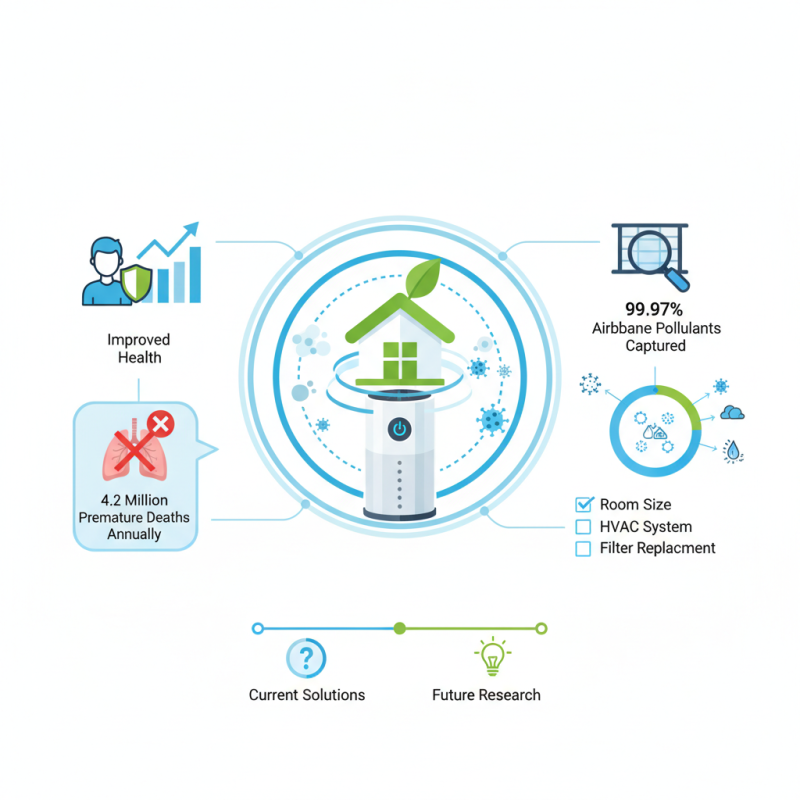
In recent years, air quality has become a pressing concern for many households. A report from the World Health Organization highlights that air pollution contributes to over 4.2 million premature deaths annually. As awareness grows, people seek solutions to improve indoor air quality. This is where the medical air purifier enters the conversation, promising to eliminate harmful particles and allergens.
Many manufacturers claim that medical air purifiers can capture up to 99.97% of airborne pollutants. These devices are designed with advanced filtration systems to protect against viruses, mold, and dust. However, the effectiveness of these purifiers often depends on the specific model and its maintenance routines. Not all products deliver on their claims, prompting consumers to approach with caution.
Moreover, understanding a home’s unique air quality needs is crucial. Simple factors, such as room size and HVAC systems, can significantly affect performance. A medical air purifier's placement and filter replacement schedule are also vital for optimal results. While these devices can greatly enhance a living environment, not all solutions are foolproof. There's an ongoing need for research to truly understand their long-term benefits.
The Importance of Air Purifiers in Promoting Home Health
Air purifiers play a crucial role in maintaining a healthy home environment. Indoor air can be polluted by various factors. Dust, allergens, and pet dander can linger in the air. These particles may cause allergies or respiratory issues. Many people may not realize how contaminated their indoor air can be.
Investing in a good air purifier can significantly improve air quality. They capture harmful particles and reduce pollutants. With cleaner air, families may experience fewer health issues. It’s essential to consider where the unit is placed. A purifier in the bedroom or living room can make a noticeable difference.
However, not all air purifiers are effective for every situation. Some may struggle with odors, while others may not capture microscopic particles. Regular maintenance is crucial. Filters need changing, and units require cleaning. Oversight in these areas can diminish effectiveness. Acknowledging these imperfections can lead to a better understanding of air purification needs.
Key Features to Look for in a Medical Air Purifier
When choosing the best medical air purifier, several key features stand out. HEPA filters are a must. These filters can capture 99.97% of particles as small as 0.3 microns. According to the Environmental Protection Agency, indoor air quality can be up to five times worse than outdoor air. This fact underscores the importance of robust filtration systems in our homes.
Another crucial aspect is the Clean Air Delivery Rate (CADR). This metric measures how effectively an air purifier can remove specific pollutants. A higher CADR means cleaner air. Some studies suggest that purifiers with CADR ratings above 300 are particularly effective for common allergens like pollen and dust mites. Notably, the noise level of an air purifier can affect daily life. Models that maintain quiet operation are often preferred for bedrooms or study areas.
People sometimes overlook the importance of maintenance. Filters need regular replacement. Clogged or old filters can reduce performance. A purifier that reminds users to change filters might help ensure optimal functionality. Additionally, features like air quality sensors offer real-time feedback. This adds a layer of convenience, allowing users to know when to run the device more frequently. Having this information at your fingertips is invaluable.
2026 Best Medical Air Purifier for Healthier Home Environment
| Feature | Description | Importance |
| HEPA Filter | Captures 99.97% of particles as small as 0.3 microns, including dust, pollen, and smoke. | Essential for allergy sufferers and sensitive populations. |
| Activated Carbon Filter | Removes odors, smoke, and VOCs from the air. | Improves overall air quality and removes harmful gases. |
| UV-C Light | Disinfects air by killing bacteria and viruses. | Increases disease prevention, especially in homes with children and elderly. |
| CADR Rating | Clean Air Delivery Rate measures the volume of filtered air delivered. | Higher CADR means quicker purification and better efficiency. |
| Noise Level | Measured in decibels, indicating how quiet the unit operates. | Important for use in bedrooms and quiet spaces. |
| Energy Efficiency | Energy Star rated appliances consume less energy while operating. | Saves on electricity bills and is better for the environment. |
| Smart Features | Includes Wi-Fi connectivity and air quality monitoring via smartphone app. | Enhances usability and control over air quality settings. |
Top Medical Air Purifiers Recommended for 2026
As we approach 2026, the need for effective air purification in our homes grows. Many medical air purifiers are emerging as essential tools for maintaining a healthier living environment. These devices filter out allergens, dust, and even pathogens, which is particularly beneficial for individuals with respiratory issues. A good air purifier can greatly enhance indoor air quality. Yet, the selection process can be overwhelming.
When searching for top medical air purifiers, it helps to prioritize specific features. Look for options with HEPA filters, as they capture tiny particles effectively. Some models also include activated carbon layers, which combat odors. Consider noise levels, too; a quiet unit is preferable for bedrooms. However, some air purifiers may not perform optimally in large rooms. Size matters.
Another factor to reflect on is maintenance. Filters need regular changing, and some models can be costly to upkeep. Users often underestimate this aspect. While many purifiers boast impressive specifications, real-life performance may vary. It’s essential to research and review models carefully, ensuring they meet your unique needs. Choosing the right one can significantly impact your home’s air quality, leading to a healthier lifestyle.
Comparative Analysis of Leading Brands in the Market
When it comes to maintaining a healthier home environment, air purifiers play a crucial role. Comparing leading brands reveals significant differences in performance and features. Some purifiers excel in removing allergens, while others focus on odors or pollutants. This diversity means you should consider your specific needs.
Tips: When choosing a purifier, think about the size of the room. A small device may not be effective in larger spaces. Also, check the filter type. HEPA filters are great for trapping dust and pollen.
Many models promote quiet operation. They claim to filter air without disruption. However, some may emit unexpected noise levels. Pay attention to user reviews. They can offer insights on real-life performance. Features like smart sensors and air quality indicators are useful. Yet, they can also complicate usage.
Tips: Remember to regularly replace filters to maintain efficiency. An overworked filter might not capture pollutants effectively. Setting reminders can help ensure timely maintenance.
User Testimonials and Effectiveness of Medical Air Purifiers
Medical air purifiers have gained popularity in homes, especially for those concerned about indoor air quality. User testimonials reveal varied experiences. Many report a noticeable improvement in respiratory issues. Some feel a reduction in allergens and dust in their living spaces. They mention cleaner air leading to better sleep quality.
However, not all feedback is positive. Some users express disappointment over maintenance costs. Filters may need frequent replacements. This can be a burden for families on tight budgets. Others mention that the noise of certain models can be distracting, especially at night.
When evaluating options, it’s essential to consider both effectiveness and potential downsides. The journey to a healthier home environment isn't straightforward. Users must weigh benefits against the challenges of using air purifiers. Not every model suits every household. Individual needs vary widely. It’s crucial to do thorough research and perhaps even test different units to find the right fit for you. Balancing air purity with practicality is key to a healthier indoor atmosphere.