What is Cell and Gene Therapy and How Does it Work?
Cell and gene therapy has emerged as a revolutionary approach to treating diseases. Experts in the field, like Dr. Jane Smith, highlight its potential impact. She stated, "Cell and gene therapy can transform lives, but we must address its challenges." This underscores the promise and complexity of these therapies.
The concept revolves around modifying cells or genes to treat or even cure diseases. Imagine replacing a faulty gene with a healthy one. This process can help tackle genetic disorders, cancers, and more. However, the journey to successful therapy is not straightforward. Safety concerns and ethical implications must be carefully considered.
Despite the challenges, the advancements in cell and gene therapy are exciting. Researchers are finding innovative ways to enhance efficacy. Still, questions remain about accessibility and long-term effects. It is crucial to navigate these issues responsibly as we explore the landscape of cell and gene therapy. Each breakthrough comes with its own set of responsibilities and reflections.

Understanding Cell Therapy: Definition and Mechanisms
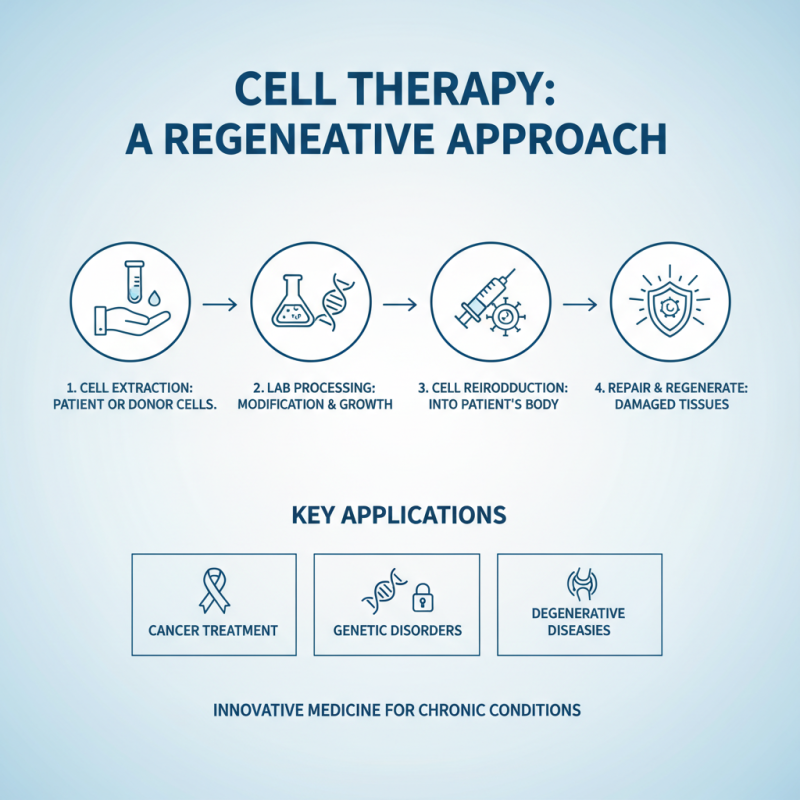
Cell therapy is an innovative approach that utilizes living cells to treat diseases. It often involves the extraction of healthy cells from a patient or donor. These cells can be modified or grown in a lab before being reintroduced into the patient's body. This method aims to repair, replace, or regenerate damaged tissues and cells. It is notably significant in treating conditions like cancer, genetic disorders, and degenerative diseases.
One key mechanism in cell therapy is the adaptation of immune cells. These cells are modified to better recognize and attack diseased cells. This helps in enhancing the body’s natural defenses. Sometimes, cells can produce factors that promote healing. However, not all treatments are effective. Some patients may experience adverse reactions. The outcomes can be unpredictable and vary widely.
Tip: Always consult with healthcare professionals before considering cell therapy options. Research thoroughly to understand potential risks.
Gene therapy complements cell therapy by targeting the genetic causes of diseases. It involves the delivery of new genes to repair or replace faulty ones. This can potentially cure genetic disorders at their source. However, this field is still evolving, and many ethical questions remain. Understanding both options fully can guide patients in making informed decisions.
Tip: Keep an open mind about the potential of these therapies, but be cautious. Ask questions and seek multiple opinions.
Exploring Gene Therapy: Principles and Applications
Gene therapy is a revolutionary approach that alters genes to treat or prevent disease. By targeting the underlying genetic causes, it holds promise for a variety of conditions. Current data indicates that the global gene therapy market is expected to reach $13.3 billion by 2026, growing at a CAGR of 38.6%. This rapid growth highlights the increasing interest and investment in gene therapy techniques and products.
Gene therapy operates on several principles. It can replace mutated genes with healthy copies, inactivate or knockout malfunctioning genes, or introduce new genes to help treat a disease. For instance, researchers have successfully used viral vectors to deliver therapeutic genes into cells. This method has shown efficacy in treating certain genetic disorders, such as spinal muscular atrophy.
However, challenges remain. Manufacturing processes for gene therapies can be complex and costly, leading to accessibility issues. In addition, long-term safety and efficacy are concerns. Many patients require ongoing monitoring after treatment. Reports indicate that while some gene therapies show promising results, adverse reactions have occurred. This reflects the need for more comprehensive studies and discussions surrounding ethical implications. The path to widespread acceptance is still fraught with technical and social hurdles.
The Role of Stem Cells in Cell and Gene Therapies
Stem cells are a key component in the fields of cell and gene therapy. They possess the unique ability to develop into different cell types. This characteristic makes them invaluable in treating various diseases.
Stem cells can potentially repair damaged tissues. For instance, they may help regenerate heart cells after a heart attack.
In therapies, stem cells might be taken from a patient or a donor. After collection, these cells can be modified in the lab. This process sometimes aims to correct genetic errors. However, not all modifications succeed. There can be unexpected risks involved with these therapies. Patients should understand that outcomes are not guaranteed.
Tip: If you’re considering this type of therapy, research thoroughly. Finding a reputable clinic is crucial. Ask about their success rates and protocols.
Stem cell research is still evolving, and many questions remain unanswered. Sometimes, the body can reject stem cells. Monitoring and follow-up care are essential after the treatment. Each patient’s response can differ widely. This unpredictability can be frustrating, but it also highlights the ongoing need for advancements and understanding in this field.
Delivery Methods for Cell and Gene Therapies: Techniques and Challenges
Cell and gene therapies are revolutionizing medicine. But the delivery methods pose significant challenges. Various techniques exist for delivering therapeutic agents effectively to target cells. Vector-based systems are popular. They can transport genetic material into cells. However, achieving precision and efficiency is complicated. The body often has protective mechanisms that limit drug delivery effectiveness.
Recent studies show that over 80% of gene therapies face hurdles with delivery. For example, viral vectors can trigger immune responses. This reaction reduces their efficacy. Non-viral methods like lipid-based nanoparticles show promise. They can improve delivery but often lack stability. These limitations invite ongoing research.
Tip: Patients should discuss delivery options with healthcare providers. Understanding the method is crucial. Effectiveness varies based on the chosen technique.
Many clinical trials are currently testing new methods. Some researchers focus on local delivery strategies. These aim to minimize side effects. Others are exploring systemic approaches. Each method has its advantages and drawbacks. Collaboration across disciplines is essential. It can enhance our understanding and lead to better therapies.
Cell and Gene Therapy Delivery Methods
This chart illustrates the various delivery methods used in cell and gene therapies, along with their relative effectiveness. The data represents the most common techniques and their associated challenges.
Ethical Considerations in Cell and Gene Therapy Development
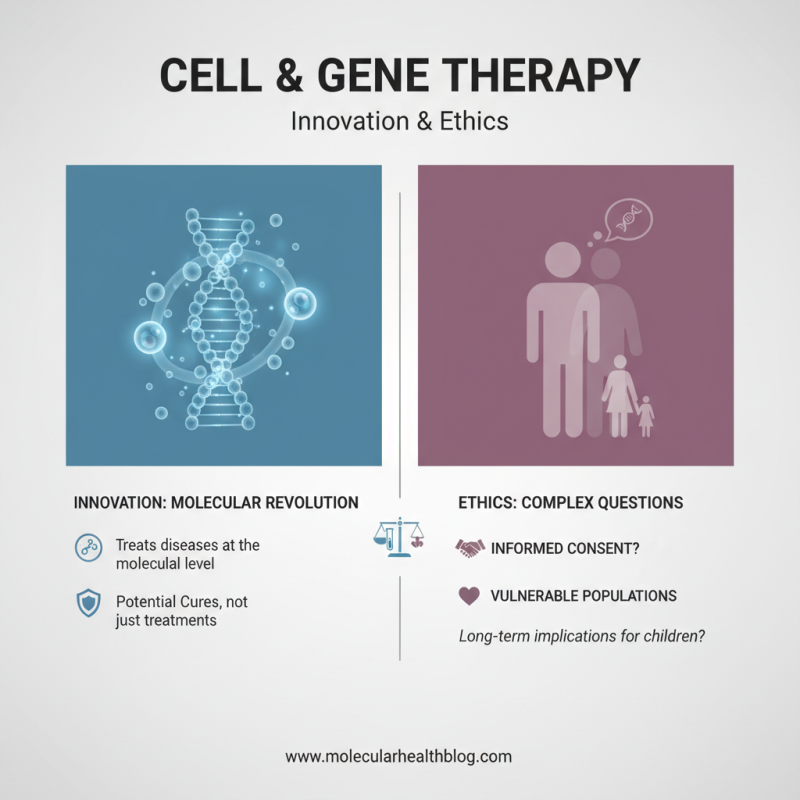
Cell and gene therapy represent a revolutionary approach to treating diseases at the molecular level. However, with innovation comes ethical concerns. The manipulation of human cells raises questions about consent, especially in vulnerable populations. Parents might consent to gene therapies for their children without fully understanding the long-term implications.
Another ethical dimension is the potential for unequal access. Not everyone can afford these advanced treatments. Wealth disparities may lead to a divide in health outcomes. Society must consider how to ensure fair access to these potentially life-saving therapies. The risk of creating a "genetic elite" looms large, sparking concerns about genetic discrimination.
Additionally, the long-term effects of these therapies are still unclear. Adverse reactions might occur years later, and tracking such outcomes is complex. Ethical considerations necessitate a transparent process for research and development. The public must engage in dialogue about acceptable risks and benefits. It’s essential to recognize that while these therapies offer hope, they also require careful examination of their societal implications.