China Top 10 Stem Cell Collection Companies?
China’s stem cell sector has expanded across cord blood banking, tissue processing, clinical research, and laboratory services. This article introduces ten notable companies connected with stem cell collection in China, based on public information, operational experience, and documented industry relevance.
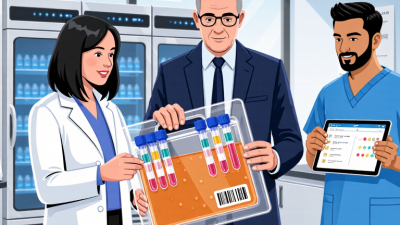
The selection considers licensing, laboratory standards, collection procedures, sample traceability, storage security, and scientific partnerships. It also examines how each company communicates consent requirements, testing processes, and service limitations. Details matter: a labeled collection kit, a temperature-controlled transfer, and a complete chain-of-custody record can influence sample quality. So can trained staff at the collection site.
Not every company offers the same service. Some focus on cord blood banks, while others support hospitals, research institutions, or cell-processing laboratories. Readers should verify current approvals and service coverage independently. Regulations, certifications, and corporate structures may change.
No ranking is perfect. Public disclosures can be incomplete, and marketing language may appear stronger than the available evidence. That deserves attention. The companies discussed here should therefore be viewed as research candidates, not automatic recommendations. Families, physicians, and institutional buyers should review informed-consent documents, storage terms, clinical evidence, complaint procedures, and independent accreditation before making decisions.
This overview aims to remain practical and cautious. It does not promise treatment outcomes. Instead, it highlights how professional expertise, transparent documentation, and responsible quality management shape reliable stem cell collection services. Where information remains unclear, that uncertainty is identified rather than concealed.
What Are Stem Cell Collection Companies in China?
China’s stem cell collection companies provide the infrastructure behind sample collection, testing, transport, and long-term storage. They may handle cord blood, tissue samples, or peripheral blood under controlled procedures. A collection company is not automatically a treatment provider. This distinction matters.
China’s market is expanding with hospital cooperation, biobanking demand, and regenerative medicine research. Grand View Research valued the global stem cells market at about USD 17.83 billion in 2023 and projects continued growth through 2030. China-focused industry reports also identify biobanks and clinical research as major demand areas. However, public data rarely separates collection revenue from processing or therapy services. The ranking is not perfectly objective.
A practical top-10 assessment should examine
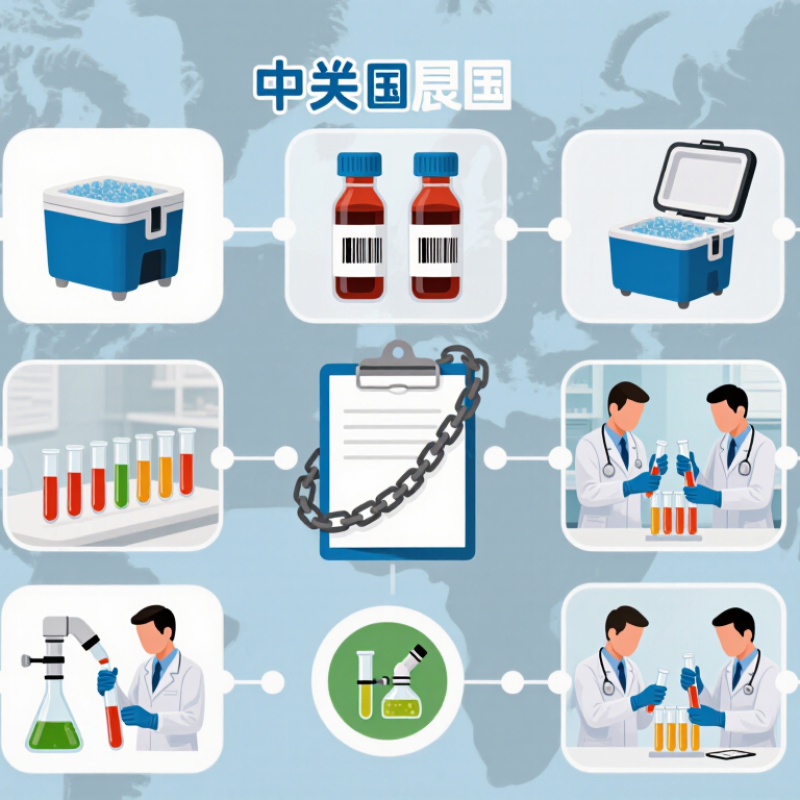
facility accreditation, temperature monitoring, chain-of-custody records, testing methods, and emergency power systems. Reliable operators should explain how samples move from a hospital room to a cryogenic tank. They should also disclose recovery rates, storage conditions, contract terms, and data protection measures. China’s regulatory framework involves health authorities, medical institutions, and product regulators, depending on the service. Customers should verify current approvals instead of trusting promotional claims. Small details matter. A missing audit trail can weaken confidence, even when laboratory equipment looks modern. Industry reviews from Frost & Sullivan and related market analyses emphasize quality control, clinical partnerships, and standardized processing as key competitive factors. Yet some reports rely on company disclosures, so independent verification remains necessary.
How to Evaluate China’s Leading Stem Cell Collection Companies
Choosing among China’s leading stem cell collection companies requires more than comparing advertised success rates. Examine the facility’s licenses, laboratory accreditation, and inspection history. Ask which professionals collect, process, and release samples. Their qualifications should be verifiable through official records, not only brochures. A reliable provider explains whether cells come from cord blood, tissue, or another lawful source.
Request a clear chain-of-custody procedure. Staff should record collection time, temperature, transport conditions, and processing steps. Look for validated testing for contamination, viability, and identity. Cryogenic storage should include continuous temperature monitoring, backup power, emergency plans, and documented access controls. Ask how often stored samples are audited. Small details matter here.
Read the contract slowly. Check storage duration, renewal fees, transfer rules, sample release conditions, and what happens if the facility closes. Avoid vague promises about future treatments or guaranteed medical outcomes. Evidence should come from peer-reviewed research and properly regulated clinical pathways. Independent medical advice can help families interpret technical claims.
I would also test the provider’s openness: can staff answer difficult questions without pressure? No company is perfect. Missing documents, inconsistent terminology, or hurried sales calls deserve careful reflection before any decision.
Key Services and Technologies Offered by Leading Providers
China Top 10 Stem Cell Collection Companies: Key Services and Technologies
China’s leading stem cell collection providers typically support cord blood, cord tissue, adipose tissue, and dental pulp collection. Their services often include donor screening, informed consent, sterile sampling, cold-chain transport, and long-term storage. Qualified teams record collection time, temperature, sample volume, and processing conditions. This creates a traceable chain from hospital to laboratory.
Modern facilities may use automated cell separation, controlled-rate freezing, and liquid-nitrogen storage. Quality systems can monitor cell viability, contamination risks, identity, and genetic stability. Some laboratories also provide sample testing, recovery assessment, and release documentation for approved research or clinical programs. However, service quality differs. A polished website does not prove laboratory performance. Independent audits and transparent certifications matter more.
Tips: Ask about facility licensing, accreditation, backup power, emergency procedures, and storage monitoring. Request clear explanations of collection risks and future use. Check whether laboratory staff follow validated protocols. Keep every consent form and test report. Be cautious about guaranteed health outcomes; stem cell storage is not a guaranteed treatment. Regulations can change, and not every advertised application has strong clinical evidence. That point deserves attention.
Safety Standards, Regulations, and Selection Considerations
China Top 10 Stem Cell Collection Companies?
Choosing among China’s leading stem cell collection companies requires more than comparing storage prices. Safety begins with a licensed medical institution and trained collection staff. Ask whether the facility follows documented procedures for donor identification, consent, infection screening, and sample labeling. A blood or tissue sample should remain traceable from collection room to storage tank. Small errors matter.
Regulatory status also needs careful checking. China separates collection, processing, storage, research, and clinical treatment activities. A provider should clearly explain which permits cover each service. Request current certificates, ethics review information, laboratory quality records, and emergency plans. Look for validated temperature monitoring, backup power, alarm testing, and access controls. Ask how contamination, transport delays, or damaged samples are handled. Vague answers are a warning sign.
Technical claims deserve skepticism. A high cell count does not automatically prove clinical value. Ask for viability results, testing methods, release criteria, and independent audit evidence. Review the contract for ownership, storage duration, transfer conditions, and refund terms. Some sales materials may sound more certain than the science allows. I would also check whether staff explain limitations without pressure. That conversation can reveal more than a polished website. Standards may improve, and policies can change, so written records should be reviewed before signing.