Why Choose Food Grade L-Threonine for Your Business Needs?
In a market increasingly driven by quality and bioavailability, the importance of Food Grade L-Threonine cannot be overstated. This essential amino acid plays a crucial role in animal nutrition and human health. According to a report by the Global Amino Acids Market Analysis, the demand for amino acids like L-Threonine is projected to reach $12.2 billion by 2026, highlighting significant growth opportunities for businesses focused on quality ingredients.
Dr. Emily Chen, a renowned expert in amino acid research, emphasizes, "The purity of Food Grade L-Threonine is vital for maximizing health benefits." Her insights underline the necessity for businesses to prioritize high-quality sources. Not only does the right grade of L-Threonine enhance feed efficiency, but it also contributes to overall wellness in livestock and pets. However, selecting suppliers requires careful consideration, as not all products on the market meet the rigorous standards demanded in today’s industry.
Adopting Food Grade L-Threonine can greatly impact growth rates and product quality. Failing to source the best can lead to lost opportunities. As the competition intensifies, businesses must reflect on their ingredient choices to stay relevant. Choosing wisely in today's dynamic landscape is critical for success.
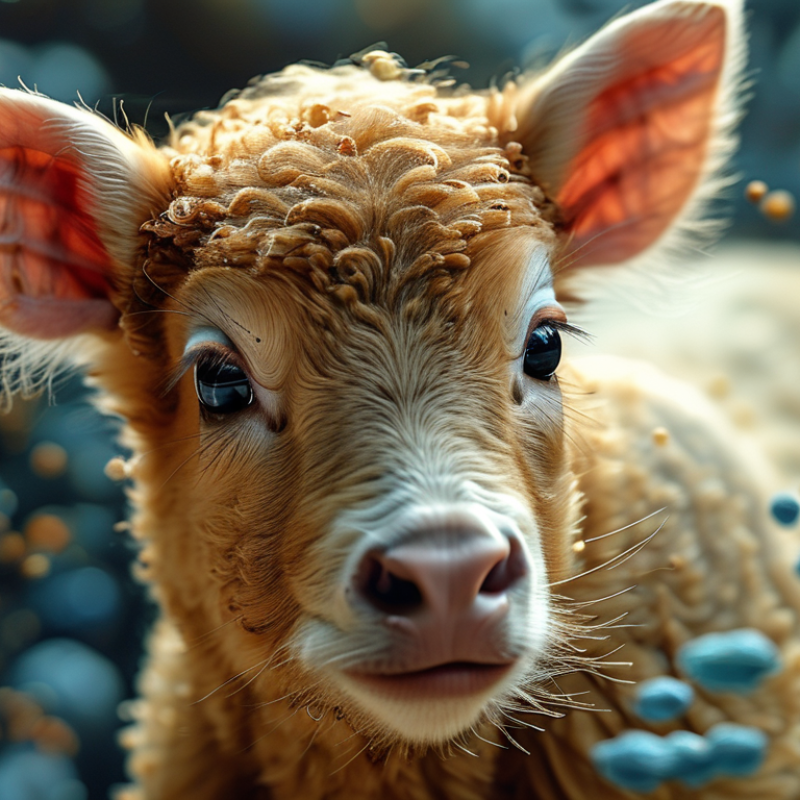
Understanding L-Threonine: An Essential Amino Acid for Livestock Nutrition
L-Threonine is a vital amino acid that plays a crucial role in livestock nutrition. It is essential for the proper growth and health of animals. This amino acid is not produced by the body, so it must be supplemented in their diets.
Research shows that L-Threonine supports protein synthesis and improves feed efficiency. Livestock that receive adequate amounts of L-Threonine often exhibit better growth rates and overall health. This can lead to increased productivity and profitability for growers. Moreover, it helps in the prevention of various health issues in animals, thus reducing veterinary costs.
Choosing food-grade L-Threonine ensures that livestock receive a safe and pure source of this essential nutrient. However, not all suppliers maintain high-quality standards. It is crucial to verify their certifications and quality assurance processes. This cautious approach will enhance the reliability of your supply chain. Balancing quality and cost is challenging, but it is necessary for sustainable livestock management.
The Role of Food Grade L-Threonine in Animal Growth and Health
L-Threonine plays a critical role in animal nutrition, particularly for livestock. This essential amino acid contributes to protein synthesis and the overall growth of animals. In poultry and swine, adequate levels of L-Threonine can enhance feed efficiency. Healthier animals demonstrate better weight gain and improved immune responses.
The importance of L-Threonine goes beyond growth. It supports the production of antibodies, vital for disease resistance. Animals lacking sufficient L-Threonine may exhibit stunted growth and an increased susceptibility to illnesses. Moreover, there is a noticeable impact on muscle development, which is crucial for farmers looking to optimize their production.
Addressing L-Threonine levels can be challenging. Farmers must carefully evaluate their feed formulations. Overlooking this essential nutrient can lead to inefficiencies in growth and health. Regular assessments and adjustments are necessary for maintaining optimal levels in animal diets. As the demand for high-quality animal products rises, focusing on such specific nutritional needs becomes increasingly important.
Market Demand for L-Threonine: Industry Trends and Growth Projections
The market for L-Threonine is experiencing significant growth. This essential amino acid is commonly used in animal feed. As more businesses focus on animal nutrition, the demand for high-quality L-Threonine is rising. Companies are increasingly recognizing its benefits for enhancing livestock health and growth performance.
With the global population growing, the need for efficient food production is crucial. Producers are looking for ways to improve feed efficiency. This is where food-grade L-Threonine comes into play. In recent years, there has been a shift toward more sustainable agricultural practices. This shift creates opportunities for L-Threonine's integration into various diets.
Industry trends indicate that the demand for L-Threonine will continue to climb. However, businesses must navigate challenges, such as sourcing and quality control. The importance of reliable suppliers cannot be overstated. Ensuring high purity levels is vital for product effectiveness. Manufacturers must also stay informed about regulations affecting the market.
Comparative Analysis: Food Grade vs. Feed Grade L-Threonine
When comparing food grade and feed grade L-Threonine, the differences are crucial for businesses. Food grade L-Threonine is specifically manufactured to meet stringent safety and quality standards. According to industry reports, these standards reduce contamination risks significantly. As a result, the purity level of food grade L-Threonine exceeds 98%, making it suitable for human consumption. For businesses in the food sector, this ensures compliance with health regulations.
Conversely, feed grade L-Threonine may not meet the same rigorous testing standards. It is often less processed and can contain impurities that are not suitable for food applications. Research points out that using feed grade L-Threonine in food products could lead to potential health risks. This underscores the importance of opting for food grade L-Threonine. For example, studies from the American Association of Food Scientists reveal that improper L-Threonine usage can impact consumer safety.
The choice may impact a company's reputation and consumer trust. While feed grade can be a cost-effective option for animal feed, it poses risks in human food applications. Companies should prioritize quality and safety over costs. Investing in food grade L-Threonine is not just a regulatory matter but a commitment to consumer health and trust.
Regulatory Standards and Quality Assurance for Food Grade L-Threonine
When selecting food grade L-Threonine for your business, meeting regulatory standards is crucial. Various organizations, such as the FDA and EFSA, set strict guidelines. These standards ensure that the product is safe for consumption. Businesses should prioritize suppliers who comply with these regulations.
Quality assurance is another key factor. Testing for purity and potency is essential. Regular audits and certifications can build trust with consumers. Businesses may sometimes find discrepancies in quality among suppliers. It is vital to remain vigilant and conduct thorough research before making a decision.
Transparency in sourcing and manufacturing processes can enhance a company’s reputation. Always seek products that have a clear traceability path. Doing so instills confidence among consumers. While the market may offer various options, not all are created equal. Choose wisely to ensure the integrity of your product.