Why Choose Soy Protein Isolate for Your Nutrition Needs?
In recent years, the demand for plant-based proteins has surged. Among these, Soy Protein Isolate stands out as a top choice for nutrition. It provides high-quality protein, essential amino acids, and several health benefits. A report by the Food and Agriculture Organization (FAO) highlights that soy protein is comparable to animal protein in quality.
Dr. Emily Carter, a renowned expert in nutrition, emphasizes that "Soy Protein Isolate can effectively support muscle growth and recovery." Her research indicates that this protein source is beneficial for both athletes and everyday consumers seeking healthier options. The versatility of soy protein allows it to be incorporated into various diets, from vegan to vegetarian and even omnivorous.
Despite its benefits, some individuals may have concerns about soy. Opinions vary, and further research is necessary to address these issues. It’s vital to consider personal health needs when adding Soy Protein Isolate to your diet. Balancing nutrition and listening to one’s body can lead to better health outcomes.
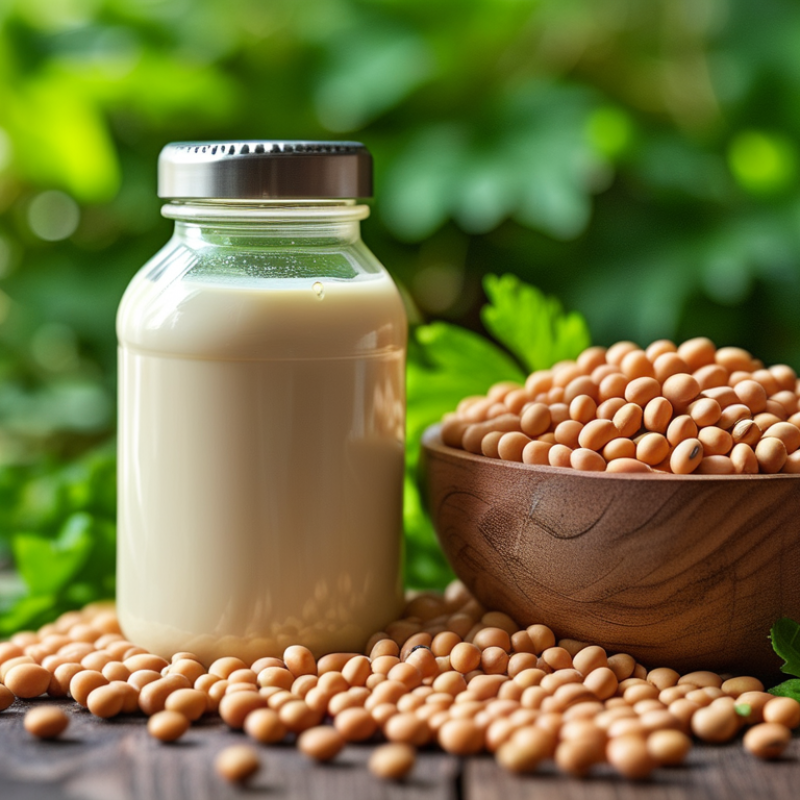
Benefits of Soy Protein Isolate for Muscle Building and Repair
Soy protein isolate stands out as an excellent choice for muscle building and repair. This high-quality protein source offers essential amino acids crucial for recovery after workouts. Its complete protein profile supports muscle growth and helps in maintaining lean body mass. Incorporating soy protein isolate into your diet can accelerate healing and enhance overall performance.
When choosing soy protein isolate, consider how much protein you need daily. Many experts recommend 1.2 to 2.0 grams of protein per kilogram of body weight for athletes. Listening to your body can guide you. Pay attention to how you feel after consuming it. Adjust your intake based on muscle soreness and recovery needs.
You can easily incorporate soy protein isolate into smoothies or oatmeal. This versatile ingredient blends well without overwhelming flavors. However, remember that not all protein sources are the same. Experiment to find the right balance for your body. Always be open to tweaking your diet based on personal experiences and nutritional goals.
Nutritional Profile: Comparing Soy Protein Isolate with Other Protein Sources
When evaluating protein sources, soy protein isolate stands out for its rich nutritional profile. It provides a complete amino acid spectrum, making it an excellent option for vegetarians and vegans. Unlike some animal proteins, soy protein is also low in saturated fat. It contains essential nutrients like iron and calcium, which support overall health. In contrast, many animal-based proteins can be high in cholesterol.
Despite its benefits, some people may experience digestive discomfort from soy. It’s crucial to gauge your body's response when incorporating soy isolate into your diet. Additionally, individuals with soy allergies should avoid it completely. It's important to consider how your diet impacts your wellbeing.
**Tips:** Always combine protein sources for a balanced approach. Mixing soy protein with whole grains can enhance amino acid absorption. Pay attention to ingredient labels. Not all protein powders are equal. Quality matters, so choose those with minimal additives for better health outcomes.
Protein Sources Nutritional Comparison
This bar chart compares the protein content found in various protein sources per 100 grams. Soy protein isolate stands out with a high protein content, making it an excellent option for those considering plant-based protein sources.
Health Benefits of Soy Protein Isolate: Heart Health and Weight Management
Soy protein isolate is gaining popularity for its health benefits, especially for heart health and weight management. Studies show that regular consumption of soy protein can lower LDL cholesterol levels by up to 10%. This reduction is significant, as high LDL levels are a major risk factor for heart disease. The American Heart Association recommends including more plant-based proteins in our diets, highlighting soy as an excellent option.
In terms of weight management, soy protein isolate can be quite effective. A recent report from the Journal of Nutrition indicates that diets rich in soy can help control body weight. Participants reported feeling fuller for longer after consuming soy, which can reduce overall caloric intake. Additionally, soy protein supports muscle maintenance, especially during weight loss. This preservation helps prevent the loss of lean muscle mass, which is crucial for an effective metabolism.
While soy has many benefits, individual reactions can vary. Some people may have allergies or sensitivities to soy products, making it important to monitor how one's body responds. Overall, incorporating soy protein isolate into your diet can contribute positively to heart health and weight management when used mindfully.
How to Incorporate Soy Protein Isolate into Your Diet Effectively
Incorporating soy protein isolate into your diet can be easy and effective. This plant-based protein is versatile and can enhance various meals. You can add it to smoothies for a protein boost. Blend it with fruits or yogurt. This way, you can create a nutritious breakfast or snack in minutes.
Baking is another great option. Substitute part of the flour in recipes with soy protein isolate. It works well in muffins and pancakes, adding both protein and fiber. Be mindful of the texture; too much can make baked goods dense.
If you enjoy savory dishes, mix soy protein isolate into soups or sauces. Start with a small amount to test the taste and thickness. It's essential to experiment, as different recipes may require adjustments. Remember, while soy protein is beneficial, balance it with other proteins for a complete diet. Listening to your body’s reactions will help you find the right amount for your needs.
Environmental Impact of Choosing Soy Protein Isolate as a Protein Source
The environmental impact of choosing soy protein isolate as a protein source is significant. Soy protein is derived from soybeans, a crop that requires less water than many animal protein sources. It uses roughly 50% less water compared to beef production. This efficiency helps conserve precious water resources.
Additionally, soy farming typically results in lower greenhouse gas emissions. Livestock farming is a major contributor to methane emissions. In contrast, producing soy protein generates far less carbon dioxide and other harmful gases. Soybean fields can also enhance soil health through crop rotation practices. This can lead to less dependency on fertilizers, which can harm ecosystems.
However, there are challenges associated with soy farming. Intensive cultivation can lead to deforestation, impacting biodiversity. The expansion of soy farming sometimes threatens local habitats. Sustainable practices are essential to mitigate these issues. Farmers need to adopt methods that preserve the environment. Exploring responsible sourcing can help make wise choices for the planet.