How to Choose the Best Beauty Care Products for Your Skin?
Choosing the right Beauty Care products for your skin is crucial for achieving healthy and radiant skin. According to a recent report by the Global Beauty Institute, 70% of consumers feel overwhelmed by the number of options available. This saturation often leads to choices that may not suit individual skin types. Expert dermatologist Dr. Emily Chen emphasizes, "Understanding your skin's unique needs is key to selecting effective beauty care products."
Skin types vary widely, from oily to dry and sensitive to combination. Each type requires different ingredients and formulations. A one-size-fits-all approach can lead to issues like irritation or breakouts. For instance, products with harsh chemicals may harm sensitive skin, thus requiring more careful selection. Data from the Skin Health Alliance suggests that 45% of people have experienced a negative reaction to a beauty care product at least once.
Reflection on personal skin concerns can aid in making informed decisions. Reading ingredient labels and researching brands are essential steps. The beauty care industry is diverse, yet not all marketed products deliver on their promises. Embracing a mindful approach to product selection can make a significant difference in finding what truly works for your unique skin.
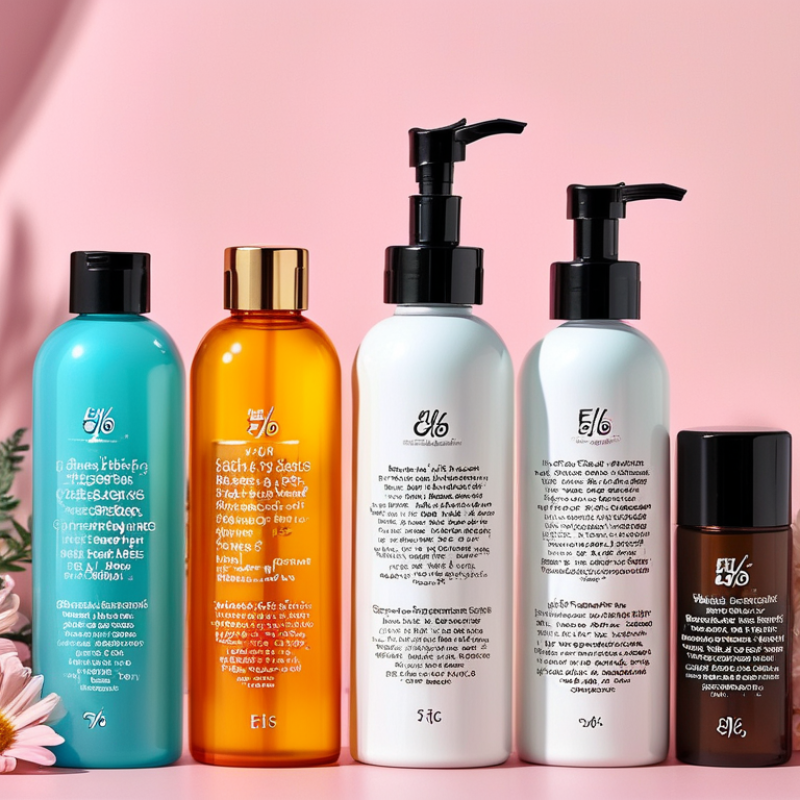
Understanding Your Skin Type and Its Needs
Understanding your skin type is crucial for selecting the right beauty care products. Every person’s skin reacts differently to various ingredients. Factors like age, climate, and diet influence your skin's needs.
To accurately determine your skin type, consider doing a patch test. Observe how your skin behaves after using certain products for several days. You might realize your skin is oily in some areas and dry in others. This is often the case for combination skin.
**Tips:** Always read ingredient labels carefully. Look for hydrating components like hyaluronic acid. If your skin feels tight after washing, you may need a gentler cleanser. Avoid harsh scrubs that might aggravate sensitive areas.
Reflect on your skin's reactions. It’s not always easy to pinpoint what works. Keeping a skincare diary can help track changes. Take note of breakouts and dryness. Adjust your routine as needed. Don't be afraid to experiment, but do so cautiously. Each person's skincare journey is unique.
Skin Care Product Preferences by Skin Type
Identifying Key Ingredients in Beauty Products
When it comes to selecting beauty care products, understanding the ingredients is crucial. Many products claim to offer miraculous results, but the truth lies in the composition. Knowledge of specific ingredients can demystify labels and help you make informed choices for your skin type.
Focus on active ingredients that address your skin's needs. For example, hyaluronic acid is known for its hydrating properties. It attracts moisture and keeps skin plump. On the other hand, salicylic acid can help with acne-prone skin by exfoliating and preventing clogged pores. Familiarizing yourself with terms like “non-comedogenic” can also ensure you’re selecting items that won’t block pores.
However, not all ingredients work well for everyone. Sensitivity to certain compounds can lead to irritation. It's essential to patch test new products. This simple step can prevent uncomfortable reactions and help you refine your skincare routine. Consider keeping a journal to track how your skin reacts. This can guide future purchases and reflect an ongoing commitment to understanding your unique skin needs.
How to Choose the Best Beauty Care Products for Your Skin? - Identifying Key Ingredients in Beauty Products
| Skin Type | Key Ingredients | Benefits | Recommended Use |
| Dry Skin | Hyaluronic Acid, Glycerin | Hydration, Moisture Retention | Use daily in serums or creams |
| Oily Skin | Salicylic Acid, Niacinamide | Oil Control, Pore Minimizing | Apply in cleansers or spot treatments |
| Combination Skin | Lactic Acid, Jojoba Oil | Gentle Exfoliation, Balancing Moisture | Use in masks or moisturizers |
| Sensitive Skin | Aloe Vera, Chamomile Extract | Soothing, Redness Reduction | Incorporate in creams or soothing gels |
| Mature Skin | Retinol, Peptides | Wrinkle Reduction, Firmness | Apply in serums or night creams |
Evaluating Product Labels and Certifications
When evaluating beauty care products, understanding labels and certifications is crucial. Look for terms like "dermatologist-tested" or "hypoallergenic." These phrases suggest that the products have undergone safety assessments. However, remember that just because a product claims to be tested doesn’t guarantee it's suitable for your skin. Everyone's skin reacts differently, and what works for one may not work for another.
Key certifications can indicate quality, such as cruelty-free or organic labels. But these can be misleading. Some products may have only a small percentage of organic ingredients but still bear an organic label. Investigate the specific criteria behind these certifications. It’s essential to know that companies might exaggerate claims for marketing purposes.
Don’t just rely on the front of the packaging. Read the ingredient list. Common irritants can often be hidden in the formula. Look for transparency in all ingredients. If unsure, consider patch testing new products beforehand. This helps gauge any potential reactions. Pay attention to how your skin responds over time. It’s a process of trial and error, and that’s perfectly normal.
Testing Products for Allergies and Sensitivities
When choosing beauty care products, testing for allergies and sensitivities is crucial. The American Academy of Dermatology states that nearly 50% of individuals experience reactions to skincare ingredients. Understanding your skin’s needs is vital to avoid irritation or adverse effects.
One effective method to test products is the patch test. This involves applying a small amount of the product to a discreet skin area and observing for 48 hours. If any reaction occurs, it’s a clear indication that the product might not be suitable for your skin. Ingredients like fragrances and preservatives are common culprits in allergic reactions, accounting for about 30% of reported cases.
Tip: Always read ingredient labels. Look for products labeled "hypoallergenic" or "fragrance-free." However, be cautious; these terms do not guarantee no reactions. Understand your unique skin chemistry, which can sometimes lead to unexpected sensitivities.
Even with testing, not all sensitivities are predictable. A product may cause a reaction on one person but be completely fine for another. According to a study by the Journal of Investigative Dermatology, about 10% of skin reactions are idiosyncratic, meaning they occur randomly and unpredictably. Pay attention to your skin’s responses over time. This can guide you in making better choices.
Establishing a Consistent Beauty Care Routine
Establishing a consistent beauty care routine is crucial for maintaining healthy skin. Industry reports suggest that 60% of users see improvements in their skin when following a routine that suits their type. A balanced regimen typically includes cleansing, moisturizing, and sun protection. Yet, many individuals overlook these basic steps, leading to issues like dryness or acne.
Cleansing should be gentle but effective. A study found that harsh cleansers can strip the skin of essential oils, triggering more oil production. Ideal products are pH-balanced and free from sulfates. Moisturizers play a vital role too. Research indicates that 70% of participants reported softer skin when using products with ingredients like hyaluronic acid and glycerin.
Most people underestimate the significance of sunscreen. About 90% of skin aging is due to UV exposure. Consistency in application is key, yet many skip it altogether, especially on cloudy days. Regularly revisiting your skin type and adjusting your routine can also pose a challenge. Finding the right combination takes time, and patience is essential.