Tips for Choosing the Best Stem Cell Banks for Your Needs
Choosing the right stem cell banks can be a daunting task. According to Dr. Jane Smith, a leading expert in regenerative medicine, “Selecting a stem cell bank is a decision that can impact your family's future health.” With numerous options available, understanding what distinguishes these banks is crucial.
Many stem cell banks offer various services, but not all are created equal. You need to evaluate their accreditation, storage methods, and tracking systems. It is essential to read reviews and understand the bank's success rates in providing viable stem cells.
Additionally, a gap in information often leaves families confused. Some banks may not disclose their compliance practices or the technology they use. Recognizing these shortcomings is vital for making an informed choice. After all, effective stem cell banking can play a significant role in potential future treatments.
Understanding the Different Types of Stem Cell Banks Available Today
When considering stem cell banks, it's essential to grasp the various types available today. There are public and private banks, each serving different purposes. Public banks store donated stem cells for anyone in need. They focus on matching patients with compatible donors. This option is often free, but availability can be limited. It suits those who prioritize altruism and community support.
Private banks cater to individual families. They collect and preserve stem cells for personal use, typically from newborns. Families pay for this service, seeking peace of mind in case of future medical needs. However, the scientific community has debated the necessity of these private collections. Some question their effectiveness and real-life applications. Families should reflect on these points before making decisions.
Consider the technology used by these banks as well. Some employ advanced techniques for cell preservation, while others may lack transparency or accreditation. Not all banks provide equal quality, so research is crucial. Inspecting their facility and reviewing policies can offer valuable insights. Relying solely on marketing claims may lead to regrets later. Recognizing both benefits and drawbacks will help families choose wisely.
Key Factors to Evaluate When Choosing a Stem Cell Bank
Choosing a stem cell bank can be overwhelming. Several factors are essential to consider. The accreditation of the facility is crucial. You want a bank that meets industry standards and is recognized by relevant authorities. This ensures quality and safety for your stem cells.
Look into the storage methods. Are the stem cells cryogenically preserved? This impacts their viability in the long term. Additionally, check the facility's track record. Research their success rates with preservation and retrieval. It’s disheartening to think about choosing a bank with poor outcomes.
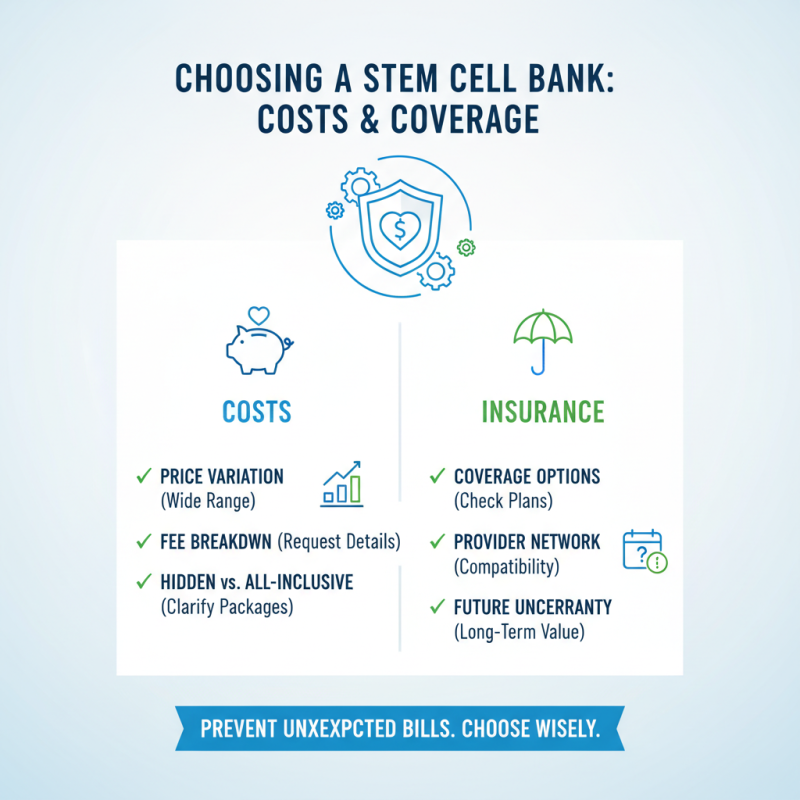
Customer support is another key factor. A responsive team aids in addressing your concerns. You want clarity about the process, costs, and any potential complications. Reflect on how comfortable you feel with their answers. Take your time to evaluate each aspect carefully. This decision is significant, and it requires thorough consideration.
Analyzing Storage and Processing Technologies in Stem Cell Banking
When choosing a stem cell bank, the storage and processing technologies they use are crucial. Different methods can impact the viability of stem cells over time. Some banks utilize cryopreservation, freezing the cells at extremely low temperatures. This method preserves the cells for future use but may have varying success rates. It's essential to ask about their specific techniques.
Another factor to consider is how the stem cells are processed before storage. Different banks might employ various protocols, which can affect the quality of the stem cells. Some might perform cell washing or selective separation, while others use simpler methods. Be sure to inquire about these protocols during your research.
It’s important to remember that not all banks are created equal. Some might highlight advanced technologies, but their track record may not reflect this. Look for customer feedback and success stories. Trustworthy banks should be transparent about their procedures and outcomes. This can help you make a more informed decision. Trust your instincts, as selecting a stem cell bank is a significant choice for your future health options.
Exploring Regulatory Compliance and Accreditation in Stem Cell Banking
When selecting a stem cell bank, regulatory compliance and accreditation are critical factors. The industry is subject to various regulations depending on the region. In the U.S., for example, the Food and Drug Administration (FDA) oversees these facilities, ensuring they adhere to strict safety standards. A report from the National Institutes of Health indicates that a facility with proper FDA registration reduces the risk of contamination.
Accreditation organizations, like the Foundation for the Accreditation of Cellular Therapy (FACT), further validate the facility’s practices. Their standards are rigorous. According to FACT’s recent guidelines, only 20% of all stem cell banks achieve full accreditation. This disparity highlights the need for consumers to research thoroughly. Many banks may market themselves as compliant, but not all meet the necessary criteria.
Choosing a bank that meets these standards can significantly impact the quality of stored cells. Those that lack regulatory backing may misuse stem cells. Research shows that preserving cells under inadequate conditions can diminish their efficacy by up to 50%. Potential clients should seek transparency in storage methods and results from the banks they consider.