Top 10 Techniques for Effective PBMC Isolation Methods?
In the field of biomedical research, PBMC isolation is crucial. Peripheral blood mononuclear cells (PBMCs) play a key role in studying immune responses. The techniques for isolating these cells can greatly impact research outcomes.
Effective PBMC isolation methods vary in complexity and efficiency. Some techniques are well-established, while others are emerging and offer unique advantages. Researchers often face challenges in maintaining cell viability and purity. This can lead to inconsistent results, highlighting the importance of choosing the right method.
Choosing an isolation technique can be daunting. Some methods may disrupt cellular integrity, while others may yield lower purity levels. Understanding the strengths and weaknesses of each approach is vital. Adequate training and practice are essential for achieving optimal results. This guide will explore ten effective PBMC isolation techniques, aiming to provide clarity in this complex field.
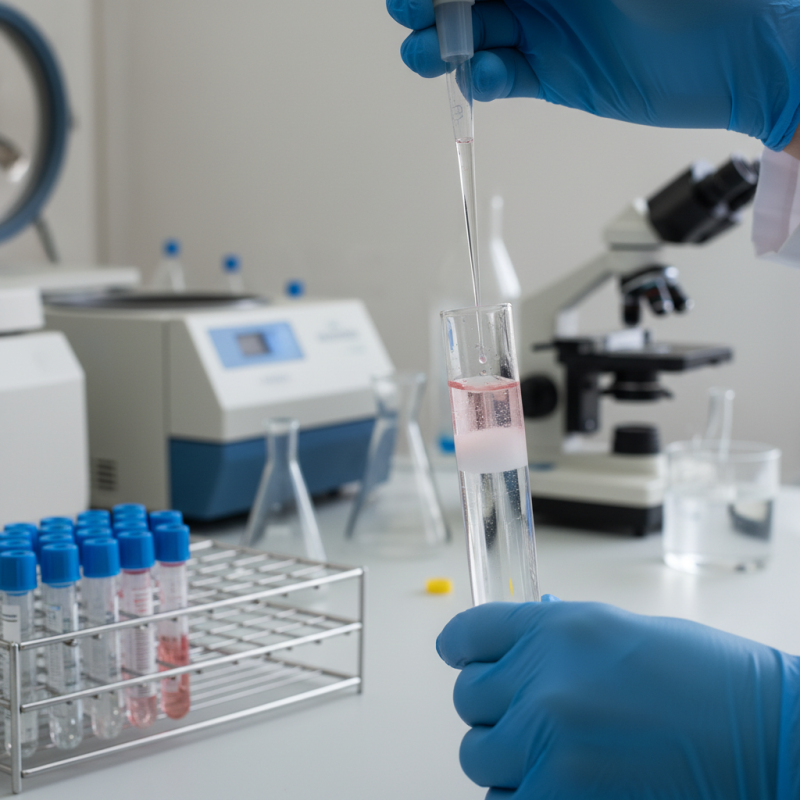
Techniques for PBMC Isolation: Overview and Importance in Research
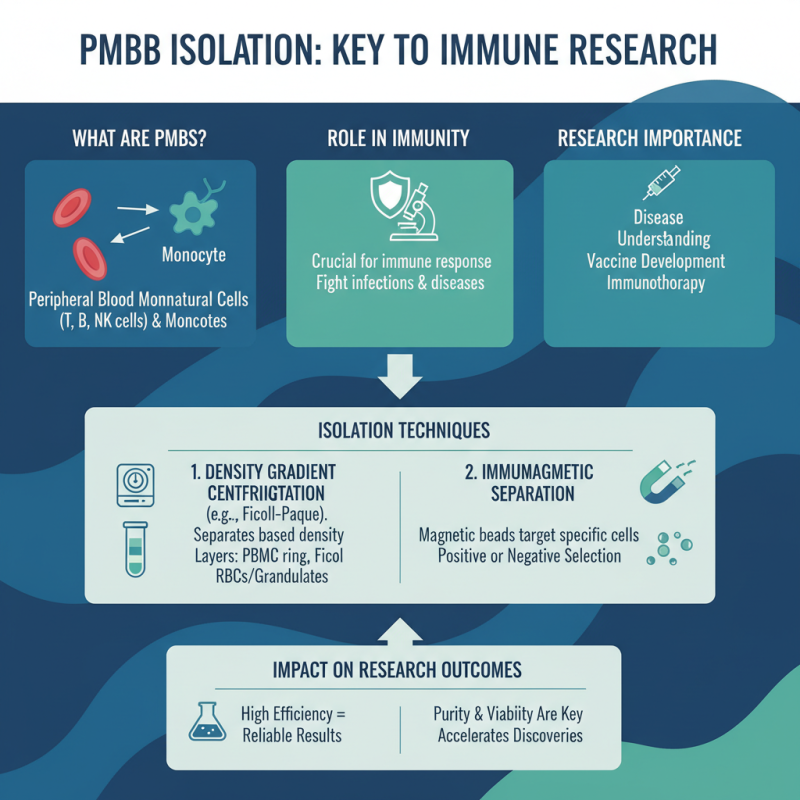
Peripheral Blood Mononuclear Cells (PBMCs) play a critical role in immune response research. Isolating PBMCs is vital for many studies. It helps in understanding diseases, vaccine development, and immunotherapy. Researchers can gather valuable insights through these cells. The efficiency of isolation methods can significantly affect research outcomes.
Different techniques exist, each with its own strengths and weaknesses. Density gradient centrifugation is popular but can be tricky. Sometimes, it may lead to cell activation, which alters results. Other methods, like immunomagnetic separation, offer precision, but require careful optimization. Contamination risks must also be considered.
The importance of PBMC isolation cannot be overstated. Quality and purity are crucial for reliable data. Suboptimal isolation techniques can cause misleading conclusions. It's essential to continuously refine methods, reflecting on past experiences. Researchers should share challenges and successes to improve collective practices.
Density Gradient Centrifugation: A Reliable Standard Method in PBMC Isolation
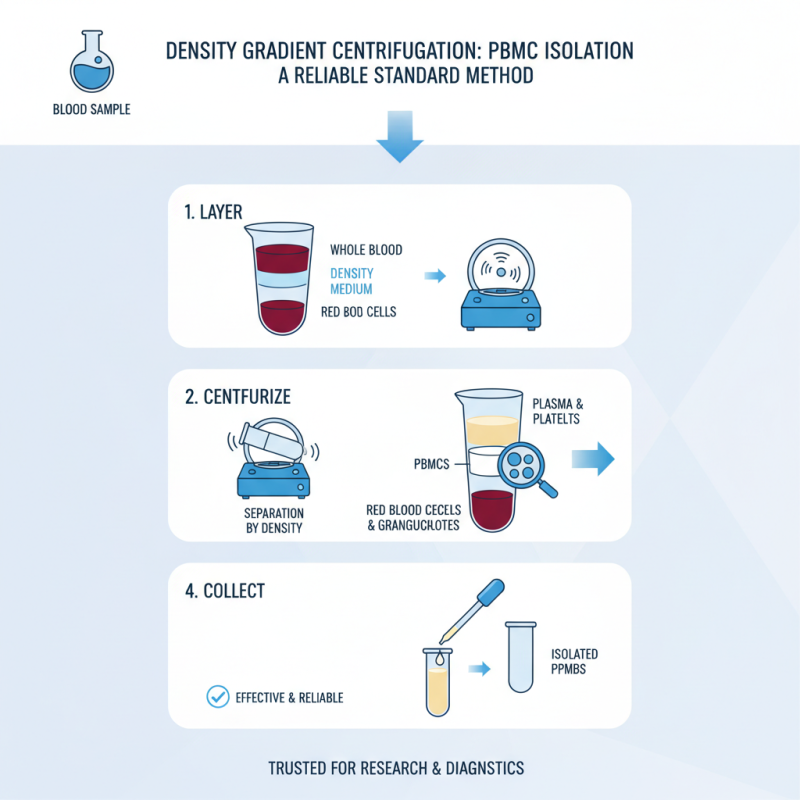
Density gradient centrifugation is a well-established method for isolating peripheral blood mononuclear cells (PBMCs). This technique relies on layering blood over a dense medium. As the sample is centrifuged, PBMCs are separated based on their density. This method is favored due to its effectiveness and reliability.
Reports indicate that this method can yield highly pure PBMC populations, often exceeding 90% purity. However, slight variations in procedures may impact outcomes. Factors such as centrifugation speed and duration can affect cell viability. Anecdotal evidence from laboratories shows that even minor adjustments can lead to inconsistent results. Researchers must be vigilant when optimizing their protocols.
While density gradient centrifugation remains a standard, there are challenges. For instance, the method can lead to cell activation. This phenomenon occurs because of mechanical stress and the presence of supernatants. It’s crucial to be aware of these factors when analyzing cell behavior. The need for continuous refinement in methods highlights the evolving nature of PBMC isolation techniques. Each laboratory should regularly assess their approaches to enhance reliability.
Magnetic Bead Separation: Enhancing Specificity in PBMC Isolation Processes
Magnetic bead separation is transforming PBMC isolation methods. This technique leverages magnetic beads coated with specific antibodies to target and isolate PBMCs effectively. In recent studies, PBMC isolation using magnetic beads has shown up to 95% purity, significantly enhancing the specificity of the process compared to traditional methods.
One challenge is the potential for non-specific binding. Some reports indicate that up to 15% of total cells may not be correctly isolated. This can affect the overall quality of research outcomes. Adjusting the bead-to-cell ratio is crucial in mitigating this issue. Proper optimization can lead to improved yields. Also, the time spent on these protocols can be significant. Many researchers report that magnetic separation can take up to 2 hours, including incubation and wash steps.
Despite these challenges, the benefits are compelling. Magnetic bead separation provides a scalable and reproducible method for PBMC isolation. Studies suggest that as researchers move towards automated systems, the efficiency of magnetic methods will only improve. Enhancing purity and specificity remains essential for advancing immunological research and biotherapeutics.
Filtration Techniques: Simplifying PBMC Isolation without Compromising Viability
Filtration techniques have gained popularity for isolating peripheral blood mononuclear cells (PBMCs). These methods present a streamlined approach to obtaining viable PBMCs quickly. By using various pore sizes, researchers can effectively separate cells without excessive damage. This is crucial, as preserving cell integrity is key for downstream applications.
While filtration can simplify the isolation process, there are still challenges. For instance, improper choice of filter might lead to unwanted cell loss. Additionally, ensuring consistent pressure during filtration is vital. Too much pressure can compromise cell viability. Using a gentle and steady method can yield better results, yet it requires careful monitoring.
Many researchers also experiment with different filter materials. Each type can affect cell recovery rates differently. It's a topic that invites further exploration and improvements. Finding the right balance between efficiency and viability is an ongoing journey in the lab. Regular assessments and adjustments in protocols are essential to optimize outcomes.
Commercial Kits vs. DIY Methods: Analyzing Efficiency and Cost-Effectiveness
When considering PBMC isolation methods, the choice between commercial kits and DIY approaches is crucial. Commercial kits often promise high efficiency and simplicity. They provide standardized reagents and protocols, removing much of the guesswork. However, the cost can be significant. Each kit can add up quickly, especially for labs with tight budgets.
On the other hand, DIY methods can save money. Researchers can tailor their protocols to specific needs. But, these methods may require extensive optimization. Efficiency might vary significantly from one experiment to another. Additionally, the reproducibility of results can be an issue. This uncertainty can lead to wasted time and resources. Perhaps more experiments are needed to establish reliability.
Efficiency and cost-effectiveness must be assessed together. Not every lab can afford the luxury of commercial kits. Yet, every lab seeks quality results. Balancing these factors is not straightforward. A careful evaluation of the specific environment is necessary. Finding the right solution may often involve trial and error.
Top 10 Techniques for Effective PBMC Isolation Methods