How to Achieve Efficient PBMC Isolation for Your Research?
Efficient PBMC isolation is crucial for immunological research. Peripheral blood mononuclear cells (PBMCs) play a vital role in understanding immune responses. According to industry reports, the global PBMC isolation market exceeded $500 million in 2021, reflecting its growing importance. Researchers must use reliable techniques for effective isolation.
Traditional methods often fall short in yield and viability. The inconsistency in results can hinder scientific progress. For example, density gradient centrifugation remains popular but may not deliver the desired purity. As a result, many researchers face difficulties when using PBMCs for downstream applications.
Emerging technologies and improved protocols are helping address these challenges. Various studies indicate that novel isolation methods can enhance purity and reduce processing time. It’s essential to choose the right technique for specific applications. This necessity underscores the importance of refining PBMC isolation for advancing immunological research.
Efficient PBMC Isolation: Understanding Peripheral Blood Mononuclear Cells
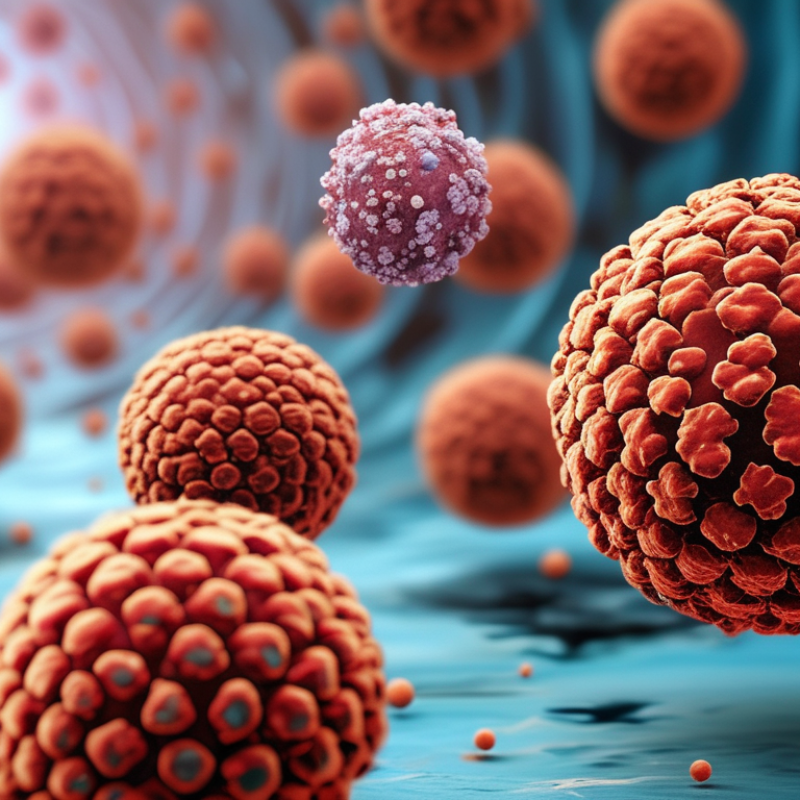
Peripheral blood mononuclear cells (PBMCs) are crucial for immunological research and clinical applications. Understanding their isolation is vital for obtaining reliable results. PBMCs comprise lymphocytes and monocytes, separated from whole blood using density gradient centrifugation. This technique is fundamental yet often overlooked.
The isolation process involves carefully layering blood over a density gradient medium. This requires precision. First, too much shear force might damage cells. If you don't balance centrifugation speed and time, you may yield poor viability. Every step during the isolation must be executed with care, as slight variations can result in contamination or loss of cell populations.
Post-isolation, assessing the quality of PBMCs is essential. Viability assays provide insight, yet not all methods are foolproof. It's a continuous learning curve. Frequent reflections on your techniques can lead to improvement. The goal is to ensure you have healthy and functional PBMCs for your studies. Understanding the nuances of isolation fosters efficiency in your research endeavors.
How to Achieve Efficient PBMC Isolation for Your Research?
| Isolation Method |
Yield (%) |
Purity (%) |
Time Required (mins) |
Complexity |
| Ficoll-Paque Density Gradient |
70 |
90 |
30 |
Moderate |
| Leukocyte Filter |
85 |
95 |
15 |
Simple |
| Magnetic Bead Isolation |
75 |
88 |
45 |
High |
| Centrifugation Method |
65 |
80 |
25 |
Moderate |
Key Techniques for PBMC Isolation: Density Gradient Centrifugation and Filtration
Density gradient centrifugation and filtration are crucial techniques for isolating peripheral blood mononuclear cells (PBMCs), essential for various research applications. Density gradient centrifugation relies on using a medium that allows separation based on cell density. Typically, Ficoll-Paque™ or similar solutions are employed. Studies indicate that this method can yield a purity of over 90% for PBMCs, making it a preferred choice.
Filtration, on the other hand, offers a more straightforward approach to isolate PBMCs. This method utilizes specialized filters to remove unwanted cells and debris from blood samples. Its advantages include reduced processing time and lower risk of contamination. Reports suggest that filtration can achieve satisfactory yields, but it requires careful optimization.
When isolating PBMCs, certain pitfalls are worth considering. The choice of density gradient medium may impact cell viability, challenging reproducibility. Adjusting centrifugation speed can also influence results. Experimentation is crucial for refining these methods. Maintenance of sterile conditions during the process cannot be overlooked.
For optimal results, prioritize cell viability tests post-isolation. Evaluate the impact of different centrifugation times on yield and purity regularly. Documenting your protocols can help in troubleshooting and refining techniques, ensuring your research outcomes are robust and reliable.
Optimizing Blood Volume: Recommended Guidelines for PBMC Isolation
Achieving efficient PBMC isolation begins with the careful optimization of blood volume. Studies suggest that the ideal blood volume for PBMC extraction is typically between 30 to 50 mL. This volume allows for a sufficient yield while minimizing procedural complexity. Research indicates that isolating PBMCs from lower volumes can lead to suboptimal yields and purity levels. For instance, when using less than 20 mL, the recovery rate diminishes significantly, often yielding less than 50% of viable cells.
Using the right anticoagulant is crucial. EDTA is often preferred, as it prevents platelets from activating, which can compromise the integrity of the PBMCs. Maintaining proper handling and storage conditions is essential. Blood samples should ideally be processed within two hours of collection to maximize cell viability. If immediate processing is not possible, samples should be stored at room temperature to prevent cold-induced cell damage.
Engaging in meticulous training is vital. Lab personnel must be adept at pipetting techniques to reduce sample loss during transfers. Regular evaluations of isolation protocols can help identify bottlenecks. It's important to review the efficiency and yield of isolated cells regularly. Small mistakes in volume measurement or centrifugation speed can significantly impact results. Always document each step and gather feedback from peers to refine your approach.
Common Challenges in PBMC Isolation and Solutions to Overcome Them
Isolating Peripheral Blood Mononuclear Cells (PBMCs) can be challenging. One common issue is the quality of the separation. If not done correctly, the yield of viable cells may decrease. This often happens due to poor density gradient centrifugation. To combat this, ensure the gradient medium is fresh and well-prepared. Centrifugation speed and time also play vital roles. Many researchers overlook these factors and face suboptimal results.
Another challenge lies in cell contamination. Maintaining sterile techniques is crucial for preventing contamination. Use certified reagents and clean equipment to minimize risks. Additionally, people often rush the process, leading to compromised samples. It's essential to allow enough time for each step. Take care in pipetting and transfer to limit exposure to contaminants.
PBMCs can also suffer from degradation if not processed quickly. Delays can lead to altered surface markers and decreased functionality. Cooling the samples quickly after collection might help preserve their characteristics. Always remember, even minor details can greatly influence the outcome of your research.
Quality Control: Assessing Viability and Purity of Isolated PBMCs
Assessing the viability and purity of isolated PBMCs is crucial for any research. When isolating peripheral blood mononuclear cells (PBMCs), capturing high-quality samples is not always straightforward. The process often involves centrifugation and density gradient separation. However, even slight deviations in technique can impact cell quality. A common issue is sample contamination, which hampers purity.
Viability testing is essential after isolation. Common methods include trypan blue exclusion and flow cytometry. These allow researchers to count live cells accurately. Purity can be assessed using specific markers for lymphocytes, monocytes, and other cell types. Flow cytometry can efficiently differentiate between these populations but requires careful calibration. Poorly calibrated instruments may lead to misleading results.
In practice, maintaining consistent techniques is challenging. Researchers sometimes overlook temperature control, which can affect cell viability. Also, the timing of sample processing can introduce variability. These factors need close monitoring to achieve reliable outcomes in your research. It is a continuous challenge to refine methods and adapt to feedback from each experiment.