What are Electric Bicycles in China and Why They Matter?
Electric bicycles have gained significant traction in China, shaping urban mobility in profound ways. According to Dr. Li Wei, a leading expert in sustainable transport, "Electric Bicycles In China represent a revolution in how we think about commuting." This paradigm shift has not only enhanced convenience but also addressed pressing environmental concerns.
The rapid adoption of electric bicycles in China reflects a blend of innovation and necessity. With cities becoming increasingly congested, these bikes provide an efficient alternative to traditional vehicles. They are accessible, cost-effective, and reduce carbon emissions. However, issues such as safety regulations and infrastructure need more attention.
While electric bicycles in China present great promise, challenges remain. Many cities struggle with the integration of bike lanes. Moreover, the varying quality of e-bikes raises questions about consumer safety. As we look to the future, understanding these complexities will be vital for ensuring the continued success of electric bicycles in urban environments.
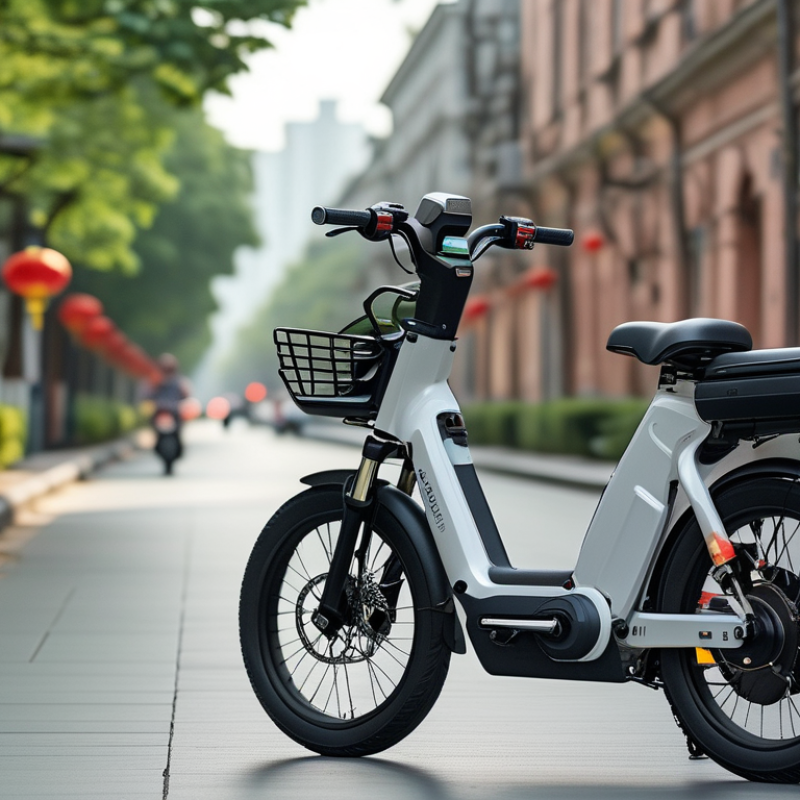
Definition and Overview of Electric Bicycles in China
Electric bicycles (e-bikes) have surged in popularity across China, transforming urban mobility. In 2022, the country recorded over 300 million e-bikes on its roads, a significant indicator of their prominence. The rapid growth is attributed to changing lifestyles, rising traffic congestion, and the push for greener transportation solutions. With affordable pricing, e-bikes present a practical option for many commuters.
The e-bike market in China reached approximately 25 billion USD in revenue by 2023. This figure highlights the sector's importance to the economy and its role in reducing carbon emissions. Reports show that e-bikes can emit 80% less carbon compared to traditional vehicles. Despite the benefits, challenges exist. Safety concerns and inadequate infrastructure hinder the e-bike experience in some cities. Riders often face risks due to overcrowded roads and lack of designated lanes.
As the government promotes cleaner transport, the importance of e-bikes is likely to increase. State policies encourage eco-friendly alternatives, yet regulation gaps remain significant. Local authorities must address safety and infrastructure issues. A cautious approach will determine how well e-bikes can integrate into future transport systems.
What are Electric Bicycles in China and Why They Matter? - Definition and Overview of Electric Bicycles in China
| Dimension | Data |
| Total E-Bicycles in China (2022) | 300 million |
| Annual Sales Growth Rate | 20% |
| Average Price (2023) | $600 |
| Main Usage Purpose | Commuting |
| Percentage of Urban Users | 70% |
| Average Range per Charge | 40-60 km |
| Environmental Impact (CO2 Reduction) | 10 million tons annually |
| Government Subsidies | Variable by Region |
Historical Development of Electric Bicycles in China
Electric bicycles have transformed urban mobility in China. Their historical development reflects a broader shift in transportation needs. In the early 1990s, cities like Beijing began to see a rise in electric bicycles. At that time, pollution and traffic congestion were growing concerns. The electric bike emerged as a practical alternative to traditional bikes and cars.
Manufacturers quickly adapted to evolving consumer demands. The designs became sleeker and more efficient. This innovation led to increased popularity, particularly among commuting professionals and students. However, safety regulations were often not enforced. Many riders faced risks due to reckless driving and inadequate infrastructure.
Tips: Always wear a helmet. It’s essential for safety. Be aware of your surroundings. Electric bicycles can be fast and surprising.
While electric bicycles contribute positively to reducing emissions, challenges remain. Poor road conditions and lack of designated lanes can hinder safe travel. Riders sometimes prioritize speed over safety, leading to accidents. The balance between convenience and responsibility is still in development for many cyclists. As we move forward, continuous improvements in infrastructure and awareness are necessary.
Key Features and Technologies of Electric Bicycles
Electric bicycles have become increasingly popular in China, driven by advancements in technology and a rising demand for sustainable transportation. A study by the China Bicycle Association reveals that electric bike sales reached 35 million units in 2022, highlighting significant consumer interest. These bicycles feature powerful lithium-ion batteries that provide longer ranges and faster charging times compared to older models.
One of the key technologies in electric bicycles is regenerative braking. This system harnesses energy during braking, recharging the battery and extending the bike's range. Furthermore, many models now incorporate smart technology, enabling users to connect their bikes to mobile apps for tracking performance and battery health. However, the integration of such technology raises concerns about data privacy and compatibility across devices.
Battery management systems (BMS) play a crucial role in ensuring the longevity of electric bicycle batteries. A reliable BMS prevents overcharging and overheating, but not all manufacturers prioritize this feature. Consequently, riders may face risks with substandard batteries. Consumer education is key in selecting quality e-bikes, emphasizing the need for reliable safety standards in this evolving market.
Impact of Electric Bicycles on Urban Transportation in China
Electric bicycles are transforming urban transportation in China. As cities grow, traffic congestion and pollution become significant issues. E-bikes offer a practical solution for many daily commuters. They combine the convenience of cycling with the ease of electric assistance. This makes getting to work or school faster and less tiring.
Many riders appreciate the eco-friendly nature of e-bikes. They reduce reliance on fossil fuels and emit zero exhaust. However, the rapid rise in e-bike use has sparked debates about safety and regulation. In many cities, proper infrastructure to accommodate e-bikes is still lacking. Conflicts between cyclists and pedestrians can occur. Riders must stay alert for their own safety and the safety of others.
Tips: Always wear a helmet. Be mindful of bike lanes and respect traffic rules. It's essential to stay visible, especially during low-light conditions. While e-bikes offer many advantages, riders should consider their surroundings carefully to enjoy a safe ride.
Environmental and Economic Benefits of Electric Bicycles
Electric bicycles are transforming urban transport in China. Their rise is not just a trend; it's a response to pressing environmental issues. Reports show that e-bikes reduce greenhouse gas emissions significantly. In 2022, electric bicycles accounted for over 30% of all bicycles in urban areas. This shift has led to fewer cars on the road, contributing to better air quality.
Switching to electric bicycles offers economic advantages as well. The average cost of operating an e-bike is about one-tenth of that of a car. As of 2023, the e-bike market in China is projected to exceed $20 billion. This growth creates jobs in manufacturing and maintenance, benefiting local economies. However, challenges remain, such as battery disposal and infrastructure. Cities must invest in safe cycling paths and charging stations to support this shift.
As more people opt for e-bikes, reflections on sustainability practices become urgent. While they present a cleaner alternative, concerns about energy sources and battery materials require attention. Balancing eco-friendliness with robust infrastructure will define the future of electric bicycles in China. The potential is vast, but so are the responsibilities.