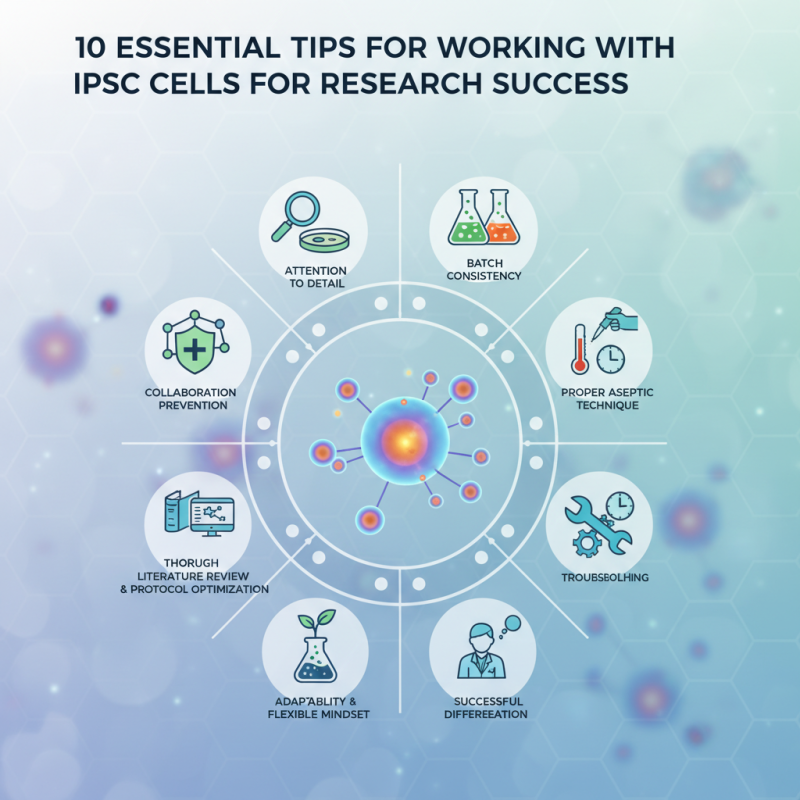
10 Essential Tips for Working with IPSC Cells for Research Success
Induced pluripotent stem cells, or iPSC cells, have revolutionized biomedical research. Their ability to differentiate into any cell type makes them invaluable. However, working with iPSC cells is not without challenges.
Researchers often face issues such as variability in cell cultures. Each batch of iPSC cells may behave differently. This inconsistency can lead to unexpected results. It is crucial to understand the best practices for handling iPSC cells effectively. Simple mistakes could derail a research project.
Attention to detail is vital. Proper techniques in culturing and differentiating iPSC cells can enhance outcomes significantly. Researchers need to be adaptable and open to troubleshooting. Being prepared for setbacks while working with iPSC cells will improve research success. It is about fostering a flexible mindset in the laboratory environment.
Understanding IPSC Cells: A Comprehensive Overview
Induced pluripotent stem cells (iPSCs) are a breakthrough in regenerative medicine. They are generated from adult cells, which are reprogrammed to an embryonic-like state. This allows them to differentiate into any cell type, providing immense research possibilities. However, working with iPSCs also presents unique challenges.
Understanding their differentiation potential is vital. It’s crucial to maintain a controlled environment. Factors like temperature, pH, and nutrient supply must be monitored. Ineffective handling can lead to inconsistent results or cell death. Many researchers overlook the importance of a stable microenvironment. Even minor fluctuations can affect cell behavior and outcomes.
Another aspect to consider is the genetic stability of iPSCs. They can undergo genomic changes over time. Regular screening for mutations is necessary but often neglected. This oversight can lead to misleading conclusions in experiments. Engaging with iPSC cells requires continuous learning and adaptation. Each experiment brings its own set of obstacles, demanding a flexible approach.
IPSC Cells Research: Key Factors Impacting Success
This bar chart illustrates key factors that impact the success of IPSC cell research, with each factor rated on a scale from 1 to 10 based on its impact. Understanding and optimizing these factors can significantly enhance research outcomes.
Essential Laboratory Techniques for Handling IPSC Cells
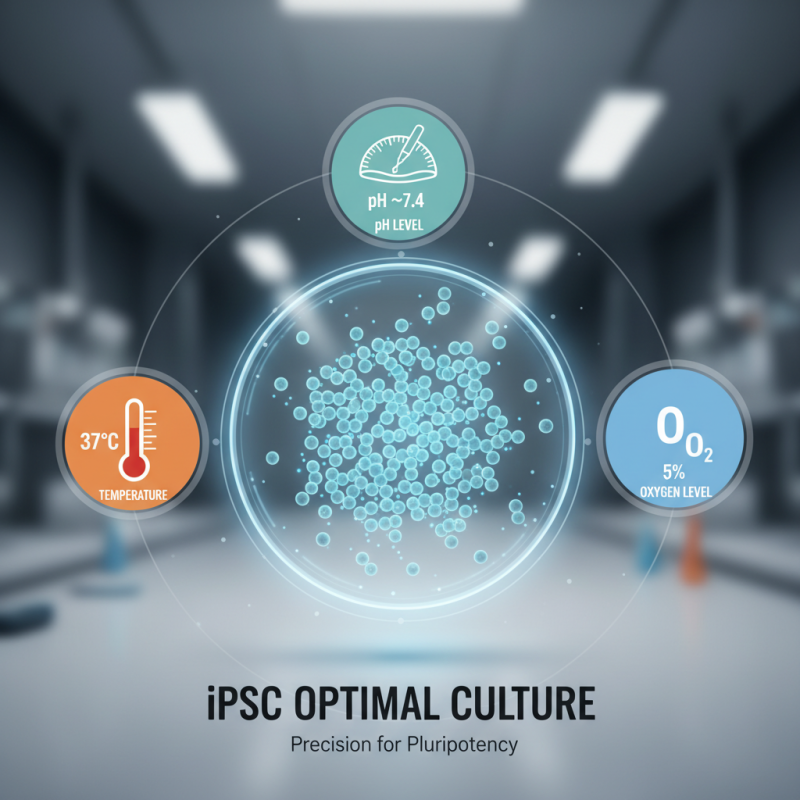
Handling induced pluripotent stem cells (iPSCs) requires precision and care. One essential laboratory technique involves maintaining optimal culture conditions. Research indicates that iPSCs thrive best in a microenvironment with specific temperature, pH, and oxygen levels. Maintaining a temperature around 37°C is crucial. Deviation can lead to cell stress. The right oxygen levels (usually around 5% in embryonic stem cell culture) help preserve the pluripotency of iPSCs.
Another vital technique is careful passaging of iPSCs. Over-confluence can hinder their growth and differentiation potential. Adopting a low-density seeding strategy improves cell recovery. This method enhances viability rates significantly, with studies showing up to a 90% success rate when done properly. Researchers often note that timing is everything. Waiting too long to passage can lead to differentiation, while too frequent passaging can result in genomic instability.
Quality control is as crucial as technique. Employing cryopreservation ensures that valuable iPSC lines are preserved. However, not every freezing method yields satisfactory results. Variations in freezing protocols can lead to cell viability that ranges from 50% to 90%. Regularly assessing the health and pluripotency of stocks is essential in maintaining research integrity. Small details can make a substantial difference in outcomes.
Optimizing Culture Conditions for IPSC Cells Growth
Optimizing culture conditions for iPSC (induced pluripotent stem cells) growth is crucial for successful research outcomes. These cells require precise environmental factors to thrive. According to a 2023 report, over 70% of iPSC-related experiments fail due to suboptimal culture conditions. Researchers must focus on factors such as temperature, pH, and nutrient availability to enhance cell viability.
One important tip is to maintain a consistent temperature of around 37°C. Fluctuations can stress the cells, negatively impacting their growth. Regular monitoring of pH levels is essential too. Keeping it within the optimal range of 7.2 to 7.4 ensures cellular health. Another key factor is the nutrient medium, which should be rich in essential supplements and growth factors. Alternatives can be explored, but always with caution, as they might yield unpredictable results.
Researchers often overlook the importance of passaging techniques. Using inappropriate methods can lead to cell stress and differentiation. Aim for a 1:3 dilution ratio during passaging to reduce this risk. Persistence in protocol adjustments may be necessary. Documenting observations helps identify patterns in cell behavior. Finding the right balance in culture conditions is iterative. It requires patience and thoughtful reflection on each step taken.
Best Practices for Genetic Manipulation of IPSC Cells
Induced pluripotent stem cells (iPSCs) have transformed research by providing a powerful tool for genetic manipulation. When working with iPSCs, it’s essential to maintain their pluripotency. Cells should be kept in an optimal environment, with precise temperature and CO2 levels. Regularly monitor cell morphology to ensure they remain undifferentiated. Pay close attention to the media composition, as small deviations can lead to unexpected differentiation.
For successful genetic manipulation, selecting the right delivery method is crucial. Viral vectors are often used, but they can introduce unwanted mutations. Consider using transfection agents that are gentler on cell integrity. Testing multiple methods can help identify the most efficient one. Don’t hesitate to document mistakes as learning opportunities. Reflection on failed experiments is key. Sometimes, successful manipulation comes after several setbacks.
Culturing iPSCs requires careful timing. Overconfluence can lead to differentiation, so passaging cells at the right moment is vital. Regularly verify the expression of pluripotency markers. This ensures that your manipulations don't inadvertently affect iPSC characteristics. Remember, genetic manipulation is both an art and a science. Embrace the imperfections along the way.
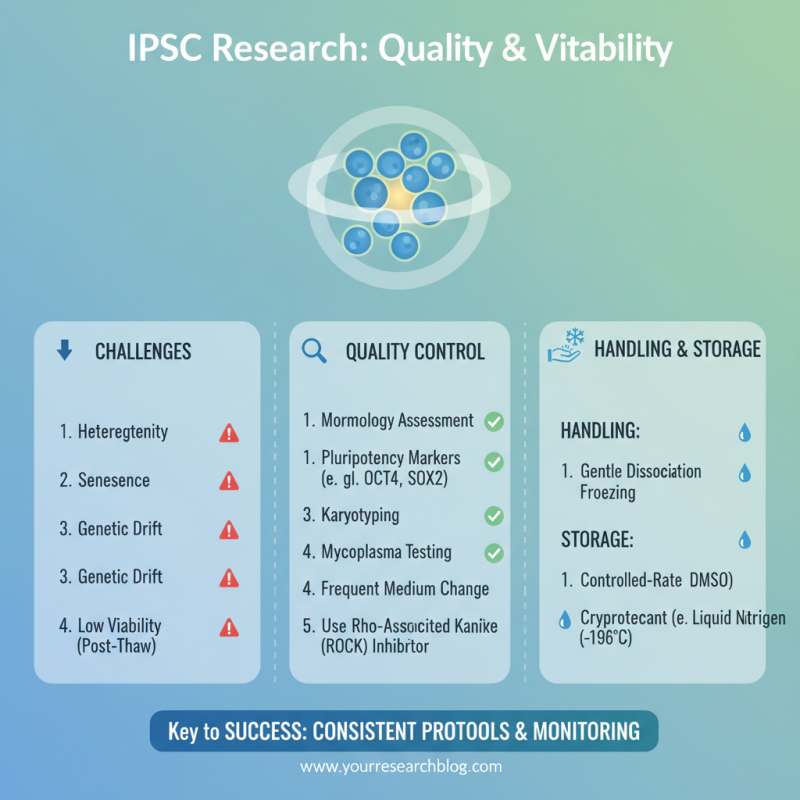
Assuring Quality and Viability in IPSC Cell Research
Working with induced pluripotent stem cells (iPSCs) can be rewarding, yet challenging. Assuring quality and viability is crucial in any research endeavor with these cells. Proper handling and storage can significantly affect your results.
One essential tip is to carefully assess cell viability before use. Use trypan blue staining to count live and dead cells. This simple test can reveal subtle issues with your cell culture conditions. Additionally, regularly monitor your culturing environment. Humidity and temperature fluctuations can stress iPSCs, affecting their growth.
Don't forget about the importance of growth factor supplementation. Sometimes, even slight variations in culture media can lead to cell differentiation. Keep an eye on your protocols, but allow yourself to modify them as needed. Experimentation is vital, but it's okay when things don’t go as planned. Learn from each setback and adjust accordingly. Quality control at each step can save you from major problems later on.