What is a high voltage output electric fence and how does it work?
A high voltage output electric fence is an innovative boundary solution. It provides security for various properties, such as farms and residential areas. The technology behind this fence is aimed at deterring unwanted visitors, including animals and intruders.
This system works by delivering a high voltage pulse that is harmless but can cause discomfort. The fence consists of wires connected to a power source. When an intruder or animal comes into contact with it, they receive a brief shock. This shock is meant to teach them to stay away. The design makes them think twice before approaching.
While effective, a high voltage output electric fence has its drawbacks. For example, improper installation can lead to failures. Also, it may cause unintentional harm to non-target animals. Therefore, proper safety measures and guidelines are essential. Understanding how this fence operates can help users make informed decisions. It’s important to reflect on the balance between security and safety.
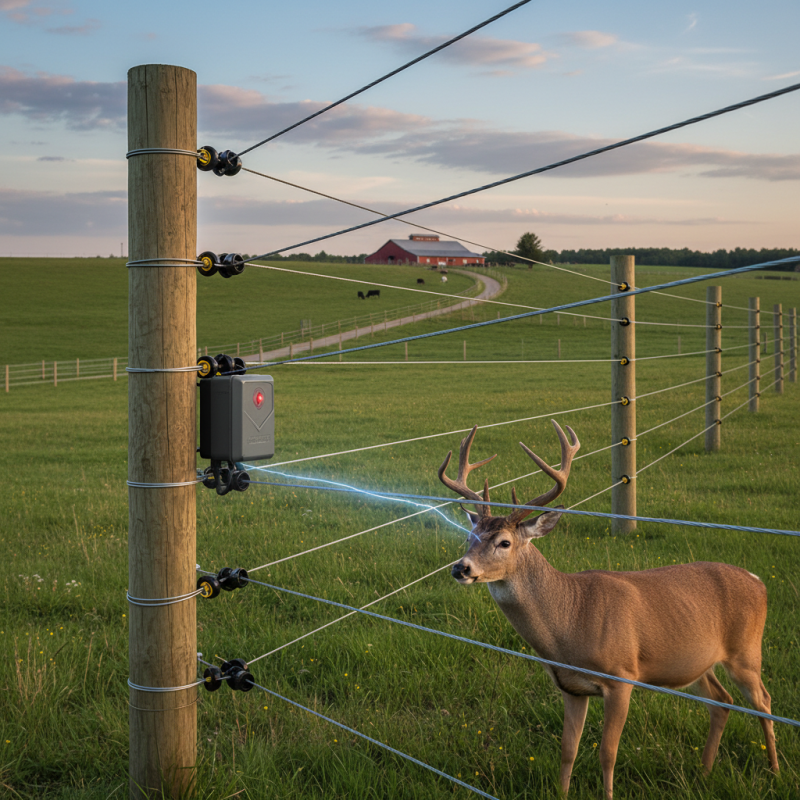
What Defines a High Voltage Output Electric Fence?
High voltage output electric fences are designed for various applications. They provide a powerful deterrent for animals and unauthorized individuals. The primary feature is their ability to deliver a high-voltage shock. This shock is noticeable but typically not harmful. It creates a psychological barrier, warning intruders with a painful, yet safe, experience.
What defines a high voltage output electric fence? Voltage output is key. A high voltage output ranges typically from 5,000 to 10,000 volts. This voltage level ensures effectiveness while remaining within safety limits. The fence system includes energizers and wire configurations. Quality materials enhance performance and durability. The installation must be done correctly for optimal efficacy, which can be a challenge for some.
These fences work by sending pulses of electricity. The pulses last only a fraction of a second, allowing for safety. However, improper installation can lead to issues. For example, grounding problems might arise if the soil is too dry. Users must pay attention during installation and maintenance. Regular checks are vital to ensure the system is functioning effectively.
Key Components of High Voltage Electric Fencing Systems
High voltage electric fencing systems are essential for securing properties and managing livestock. These fences work by delivering a short, high-voltage pulse that creates a deterrent. The shock is brief, but it effectively warns animals or intruders to stay away.
Users must install several key components to ensure the system functions properly.
The energizer is vital. It converts standard electricity into high voltage. This device is often placed away from the fence for safety. Then, there are the fence wires. These wires carry the electricity and are typically made from durable materials. Insulators are essential as well. They prevent the electric current from grounding out, helping maintain the fence's effectiveness.
Creating a reliable electric fence requires attention to detail. Each component must work harmoniously. However, mistakes can happen. Misplaced insulators or incorrect energizer settings can lead to ineffective designs. Regular checks are crucial to ensure ongoing effectiveness. Users should reflect on the setup's performance and make adjustments as needed.
How High Voltage Electric Fences Generate and Transmit Voltage
High voltage electric fences are an effective deterrent for livestock and property security. They rely on specific components to generate and transmit voltage. The main component is the energizer, which converts regular voltage into high voltage pulses. These pulses travel along the fence wire, creating an electrified barrier.
The voltage output is significantly high but it is pulsed, not continuous. This design ensures safety while still being effective. When an animal or person touches the wire, they receive a short but sharp shock. This shock is meant to be uncomfortable, urging them to stay away. The energizer usually operates on a battery or solar power, making it versatile in different environments.
The installation process can be challenging. Proper grounding is essential to ensure efficiency. Without adequate grounding, the fence may not work effectively. Regular maintenance checks are necessary too. So often, users are surprised by how quickly vegetation can short out the fence. These details matter in optimizing performance. A poorly maintained fence could fail, leading to unwanted situations.
Safety Measures and Guidelines for Using Electric Fences
Electric fences can be an effective tool for securing property. However, proper safety measures are crucial for their use. The National Electric Fence Association (NEFA) highlights that a high voltage output electric fence can deliver high-voltage pulses. These pulses create an intense, but brief shock that can deter animals and intruders. It's important to ensure that the fence is properly marked to warn people and animals of its presence.
Users should regularly inspect their electric fencing systems. The safety of electric fences goes beyond simply turning them on. According to industry guidelines, maintaining clear pathways around the fence is vital. This prevents accidental contact with vegetation or debris that might conduct electricity, leading to unintended shocks. Each year, thousands of individuals report injuries from improper usage of electric fencing.
Training is also critical. Educating employees or family members on the safe operation of electric fences can minimize risks. It's essential to ensure that everyone understands the potential dangers. An electric fence can be useful, but it comes with responsibilities. Not adhering to guidelines can lead to accidents. Awareness and education are key factors in ensuring a safe electric fencing experience.
Applications of High Voltage Electric Fences in Agriculture and Security
High voltage electric fences serve vital roles in agriculture and security. In agriculture, these fences keep livestock safely contained within designated areas. They prevent animals from wandering off and protect crops from grazing. A sudden shock from the fence deters animals from attempting to breach it. This method effectively minimizes loss and enhances farm management.
For security, high voltage fences provide a deterrent against intruders. They create a strong physical boundary, often coupled with additional alarm systems. Properties can remain protected without looking overly harsh. However, it’s essential to install warning signs clearly. This helps avoid accidents, and communicates safety concerns to visitors.
**Tip:** When installing an electric fence, consider using non-conductive materials for the posts. This enhances performance and safety. Regular maintenance is needed. Loose wires or damage can reduce effectiveness. Check often to ensure everything functions properly. Remember, a well-maintained fence offers the best protection.
What is a high voltage output electric fence and how does it work? - Applications of High Voltage Electric Fences in Agriculture and Security
| Application | Voltage Level (kV) | Common Use | Effectiveness | Duration of Shock (seconds) |
| Livestock Containment | 5 - 10 | Preventing animals from straying | High | 0.1 - 0.3 |
| Predator Control | 6 - 12 | Keeping wild animals away from livestock | Moderate to High | 0.2 - 0.5 |
| Garden Protection | 4 - 8 | Deterring domestic pets and small wildlife | High | 0.1 - 0.3 |
| Perimeter Security | 8 - 15 | Protecting commercial and residential properties | Very High | 0.2 - 0.5 |
| Temporary Fencing | 3 - 7 | Events and construction sites | Moderate | 0.1 - 0.3 |