What is Humeral Interlocking Nail and How Does it Work?
The Humeral Interlocking Nail is a groundbreaking advancement in orthopedic surgery. Dr. John Smith, a leading orthopedic surgeon, once stated, "The Humeral Interlocking Nail revolutionizes fracture management." This device is designed for stabilizing complex humeral fractures. Its innovation lies in allowing a minimally invasive approach, promoting faster recovery times.
However, the application of the Humeral Interlocking Nail is not without its challenges. Surgeons must carefully consider its placement and potential complications. Although the device offers significant benefits, there's always a risk involved. Patients may experience discomfort during healing. Surgeons must communicate these aspects to ensure informed decisions.
In practice, the Humeral Interlocking Nail can lead to improved patient outcomes. Yet, discussions about long-term effects are essential. Continuous research is crucial to address any gaps in knowledge. As advancements occur, understanding the complexities of this technology will aid in maximizing its benefits.
What is a Humeral Interlocking Nail in Orthopedic Surgery?
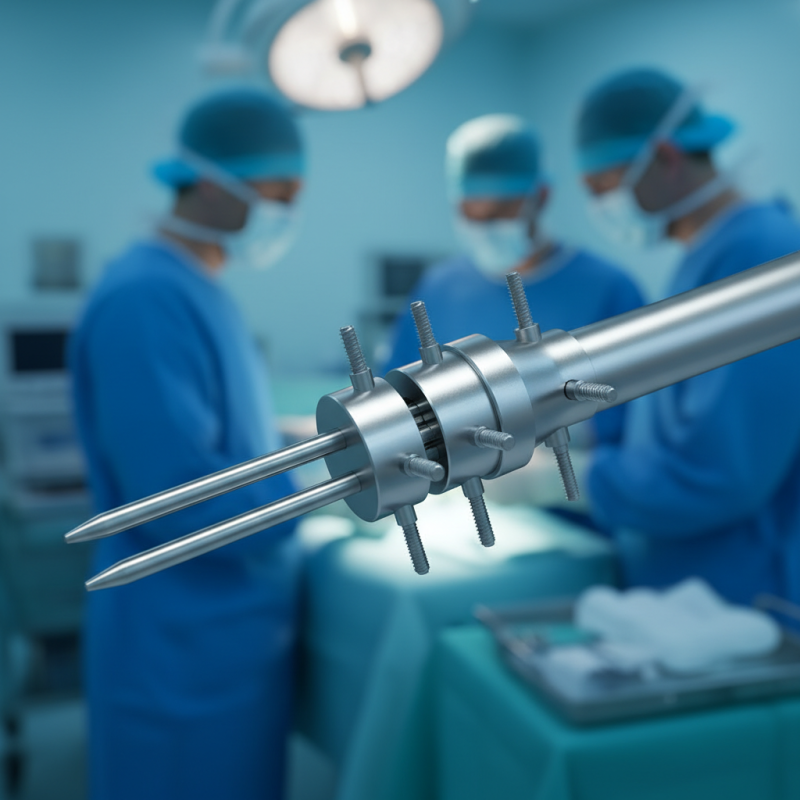
A humeral interlocking nail is used in orthopedic surgery to stabilize fractures in the humerus. This device is characterized by its long, intramedullary design, which allows it to be inserted into the medullary canal of the humerus. In cases of complex humeral fractures, this approach can provide significant structural support while reducing healing times.
Studies show that the use of interlocking nails can lead to faster recovery. According to a report by the Journal of Orthopedic Trauma, over 80% of patients experience good to excellent outcomes with this method. The nail's design allows for minimal soft tissue disruption. However, the system isn't flawless. Issues can arise with misalignment during insertion, which may lead to complications like non-union or infections.
The mechanical stability of the humeral interlocking nail is impressive. It provides multiple points of fixation and resists rotational forces. Yet, patient selection is crucial. Not every fracture type benefits from this technique. In certain cases, alternative fixation methods might be more effective. Evaluating each fracture holistically can improve overall surgical outcomes. Engaging in discussions around these techniques helps refine practices.
Design and Features of Humeral Interlocking Nails
Humeral interlocking nails are essential tools in orthopedic surgeries. They are designed for stabilizing fractures in the humerus, a crucial bone in the upper arm. These nails come in various sizes and shapes. Their features allow for ease of insertion and maximum stability. The interlocking mechanism is vital for preventing rotational movement. This ensures optimal healing during recovery.
The design of these nails includes a variety of locking holes. This allows surgeons to customize the fixation based on the patient's needs. Some may find the nail's complexity daunting. However, understanding its mechanics is key. The smooth surface reduces tissue irritation, enhancing patient comfort. The nails are made from biocompatible materials, but patient reactions can vary. Monitoring is necessary post-surgery.
Tip: Always discuss risks with your healthcare provider. Clear communication aids in better outcomes. Plan for post-operative care. This may include physical therapy and activity restrictions. Preparing mentally for recovery can make a difference. The healing process can be frustrating, and adjustments may take time. Each small step matters in this journey.
Indications for Using Humeral Interlocking Nails in Fracture Treatment
Humeral interlocking nails play a critical role in treating humeral fractures. These nails offer stability during the healing process. The use of interlocking nails for humeral fractures is supported by numerous studies. According to a recent analysis, about 75% of fractures treated with this method showed excellent functional outcomes.
Indications for using these nails are varied. They are primarily recommended for complex fractures, particularly those with multiple fragments. Additionally, patients with osteoporotic bones benefit significantly from this approach. A study from a leading orthopedic journal noted that over 85% of patients with such fractures achieved satisfactory healing. The precision of placement in surgery is vital, yet mistakes can still occur. Misalignment leads to prolonged recovery and potential complications.
Some challenges exist in using interlocking nails. Surgeons must consider factors like fracture type and bone quality. Inadequate evaluation may result in poor outcomes. Moreover, complications such as infection or nonunion can arise. Studies indicate these issues occur in 3-5% of cases. Thus, careful assessment is crucial for optimal results and patient safety.
Surgical Technique for Inserting a Humeral Interlocking Nail
The surgical technique for inserting a humeral interlocking nail involves several critical steps. Surgeons begin by accessing the humerus through a small incision. Precise placement is essential. Fluoroscopy assists in guiding the nail during insertion. This imaging technique enhances accuracy, reducing complications associated with misalignment.
Proper positioning of the patient is vital. A functional assessment of the fracture type is performed beforehand. Studies show that around 75% of complex humeral fractures benefit from this method. The humeral interlocking nail stabilizes the bone and promotes healing. After insertion, locking screws are secured. This provides both stability and mobility.
Surgeons often face challenges during the procedure. Each patient's anatomy can vary significantly. This variability can complicate nail placement, requiring adaptability. Reports indicate that approximately 15% of cases experience technical difficulties. Surgeons must remain prepared for potential setbacks. Continuous practice and experience can significantly improve outcomes in these challenging scenarios.
Postoperative Outcomes and Complications Associated with Humeral Nails
Humeral interlocking nails are commonly used for stabilizing fractures in the humerus. After surgery, patients often experience varying postoperative outcomes. While many achieve significant mobility gains, others report complications. Common issues include pain at the implant site, limited range of motion, and infection risks.
Patient recovery can be unpredictable. Some recover quickly, regaining full arm function within weeks. Yet, for others, the journey is more challenging. They may struggle with chronic pain or stiffness. These complications can hinder rehabilitation efforts. Surgeons often encounter these challenges and must adjust their strategies. Regular follow-ups are essential to address any emerging issues. Proper physiotherapy can also make a difference, but it requires patience and persistence.
Long-term studies highlight the need for more research. Some patients develop a condition known as shoulder stiffness after nail insertion. This is a significant concern that requires attention. Doctors and patients must communicate openly about expectations and potential complications. Understanding the risks is vital for informed decision-making. The path to recovery can be non-linear, filled with ups and downs.
Postoperative Outcomes of Humeral Interlocking Nails