What is Hydroxypropyl Methyl Cellulose HPMC and its Uses?
Hydroxypropyl Methyl Cellulose (HPMC) is a versatile cellulose derivative with various applications across multiple industries. This compound is widely used in pharmaceuticals, construction, and food industries. Its unique properties, such as excellent thickening and stabilizing abilities, make HPMC a popular choice.
In pharmaceuticals, HPMC acts as an excipient in tablets and coatings. It ensures controlled release of active ingredients, enhancing medication effectiveness. In the construction sector, HPMC improves water retention in mortars and plasters, contributing to stronger bonds and better performance. Additionally, HPMC is often utilized as a thickener in food products, providing desirable textures and consistencies.
Despite its benefits, the sourcing and manufacturing of Hydroxypropyl Methyl Cellulose require careful consideration. Quality control and sustainability issues pose challenges in the industry. While HPMC is generally recognized as safe, awareness of varying formulations and potential allergens is crucial. Understanding these nuances allows for informed decisions regarding its use.
What is Hydroxypropyl Methyl Cellulose (HPMC)?
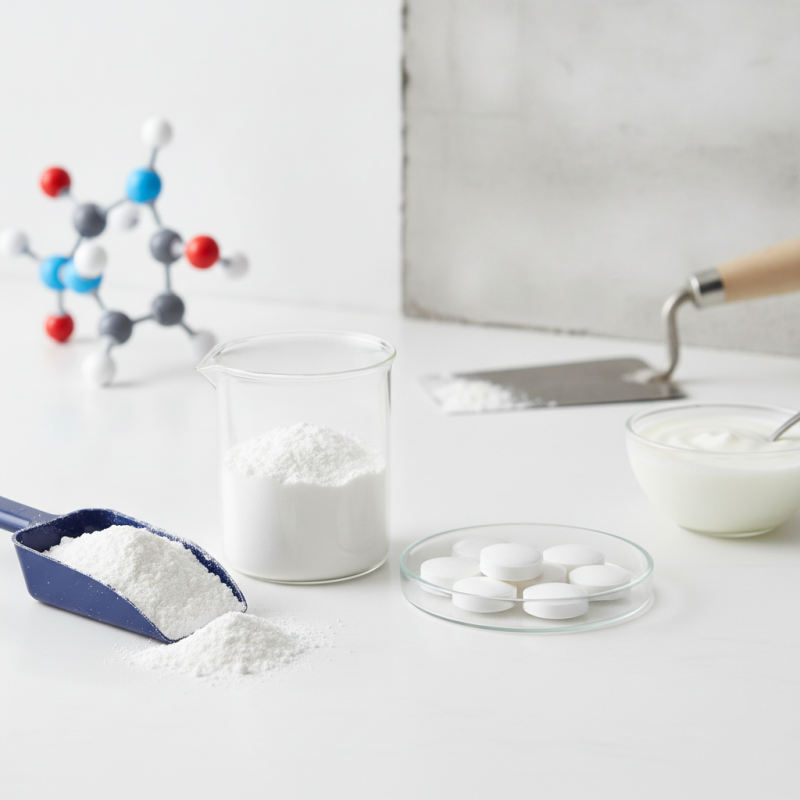
Hydroxypropyl Methyl Cellulose (HPMC) is a versatile semi-synthetic polymer. This compound features in numerous industries, primarily due to its ability to create thickened gels. These gels provide excellent stability, making HPMC useful in both food and pharmaceutical applications. Notably, its ability to retain moisture enhances product longevity.
In the food industry, HPMC acts as a food additive. This ingredient improves texture and provides a smooth consistency. Many sauces and baked goods use it to create appealing products. Additionally, HPMC is a key player in pharmaceuticals. It is often included in tablets and capsules, helping to control the release of active ingredients.
However, the reliance on HPMC raises questions. Are there potential side effects? Some studies show it can cause gastrointestinal discomfort in sensitive individuals. It's important to approach it with a critical perspective. Overall, HPMC continues to play an essential role across various sectors, but more research into its long-term effects will help ensure its safe use.
Chemical Structure and Properties of HPMC
Hydroxypropyl Methyl Cellulose (HPMC) is a cellulose derivative widely used in various industries. Its chemical structure includes hydroxypropyl groups and methyl groups attached to the cellulose backbone, giving it unique properties. HPMC is a white, odorless powder that is soluble in cold water, forming a viscous gel. This feature is essential for applications in pharmaceuticals, food, construction, and personal care products.
In pharmaceuticals, HPMC acts as a binder and film-forming agent in tablet formulations. According to a 2021 industry report, the HPMC market in pharmaceuticals is projected to grow at a CAGR of 4.3% through 2027. This growth is fueled by the increasing demand for controlled-release medications.
In the food industry, it serves as a thickening agent, stabilizer, and emulsifier, ensuring product consistency. The food sector's HPMC usage is set to reach over 150,000 tons by 2025.
Tips: When using HPMC in formulations, consider the viscosity and solubility needed. Balancing these factors enhances product performance. Always perform compatibility tests with other ingredients. Experimentation may be necessary, as results can vary significantly between formulations.
Common Applications of HPMC in Various Industries
Hydroxypropyl Methyl Cellulose (HPMC) is a versatile polymer used across various industries. In construction, HPMC enhances the workability of mortars and plasters. It also improves adhesion and water retention, crucial for optimal bonding. This contributes to the durability of buildings. HPMC allows for adjustments in drying time, a vital factor for different climates.
In the food industry, HPMC serves as a thickening agent and stabilizer. It provides texture to sauces and dressings. This additive is also a vegan alternative to gelatin. Its ability to form gels is notable. However, the concentration must be balanced for desired outcomes. Too much can lead to undesired thickness.
In pharmaceuticals, HPMC is commonly used as a binder in tablets. It ensures consistent drug delivery and stability. Also, it is a key ingredient in controlled-release formulations. Yet, manufacturers must carefully consider the viscosity and molecular weight. A miscalculation could affect the release profile of the medication.
Hydroxypropyl Methyl Cellulose (HPMC) Common Applications
Advantages of Using HPMC in Formulations
Hydroxypropyl Methyl Cellulose (HPMC) is a versatile cellulose derivative widely utilized in various formulations. Its unique properties make HPMC a valuable ingredient in the pharmaceutical, food, and cosmetics industries. One notable advantage of HPMC is its excellent film-forming capability. This feature is particularly beneficial in creating sustained-release formulations, allowing controlled drug release over time. According to a recent report from Allied Market Research, the global HPMC market is projected to reach $1.9 billion by 2027, indicating strong industry growth.
HPMC also serves as an effective binder and thickener in many applications. In food formulations, it enhances texture and improves stability without altering flavor. The use of HPMC in 3D printing within the food industry has gained traction, with its ability to assist in maintaining the shape during the printing process. However, the variability in HPMC's properties can lead to challenges in formulation consistency. Manufacturers must pay close attention to sourcing and quality control to ensure optimal performance.
Tip: When incorporating HPMC in your formulations, it’s crucial to conduct stability studies. This can prevent unexpected outcomes and ensure product reliability. Consistency in sourcing can also minimize variability. Remember, the right balance leads to more successful applications.
Safety and Regulatory Aspects of HPMC Usage
Hydroxypropyl Methyl Cellulose (HPMC) is used widely across various industries. Its safety and regulatory aspects are critical for consumer reassurance. According to the Food and Drug Administration (FDA), HPMC is recognized as safe for use in food and pharmaceutical products. The Joint FAO/WHO Expert Committee on Food Additives also affirmed its safety in food applications, which strengthens trust in its use.
While HPMC is well-regarded, users should remain informed about potential sensitivities. Some studies suggest a small percentage of individuals may experience gastrointestinal discomfort after consumption. This highlights the need for research and monitoring. Additionally, production methods can vary, affecting the purity and consistency of HPMC. Regulation varies across countries, which may pose challenges for manufacturers.
The European Food Safety Authority (EFSA) provides guidelines on acceptable daily intake levels. Adhering to these guidelines helps ensure safety for consumers. Regular audits and quality assessments are recommended for manufacturers. This practice maintains product integrity and compliance with safety standards. The evolving regulatory landscape can be complex, indicating the importance of keeping informed about changes in safety metrics and industry standards.
What is Hydroxypropyl Methyl Cellulose HPMC and its Uses? - Safety and Regulatory Aspects of HPMC Usage
| Property | Description |
| Chemical Formula | C₁₂H₂₆O₁₀ |
| Molecular Weight | Approx. 250,000 - 300,000 g/mol |
| Appearance | White to off-white powder |
| Solubility | Soluble in water, forming a gel-like substance |
| Uses | - Pharmaceutical formulations (binders, thickening agents)
- Food industry (stabilizers, thickeners)
- Cosmetics (emulsifiers, film-forming agents)
- Construction (adhesives, mortars)
|
| Regulatory Status | - Generally Recognized As Safe (GRAS) for food applications by FDA
- Approved for use in pharmaceutical applications by multiple regulatory bodies
|
| Safety | - Low toxicity
- Non-irritating to skin and eyes
- Inhalation may cause mild respiratory irritation
|