Why is Embryonic Stem Cell Research Important for Medical Advances?
Embryonic stem cell research is a vital frontier in medical science. It offers hope for treating conditions like Parkinson’s disease and spinal cord injuries. According to a report by the National Institutes of Health, nearly 1.5 million Americans suffer from Parkinson's. These figures highlight an urgent need for innovative therapies.
Dr. Sarah Lawson, a leading expert in regenerative medicine, emphasizes this significance. She states, "Embryonic stem cells have the potential to revolutionize how we approach healing and restoration in the body." Her insights reflect a growing consensus among medical researchers. Yet, despite its promise, ethical debates persist about the use of embryonic cells.
Many view embryonic stem cell research as a double-edged sword. Ethical concerns can overshadow the scientific benefits. This tension necessitates a balanced dialogue. By addressing both scientific potential and ethical implications, the medical community can pave the way for advancements that respect human dignity while pushing boundaries in healthcare.
The Scientific Foundations of Embryonic Stem Cell Research
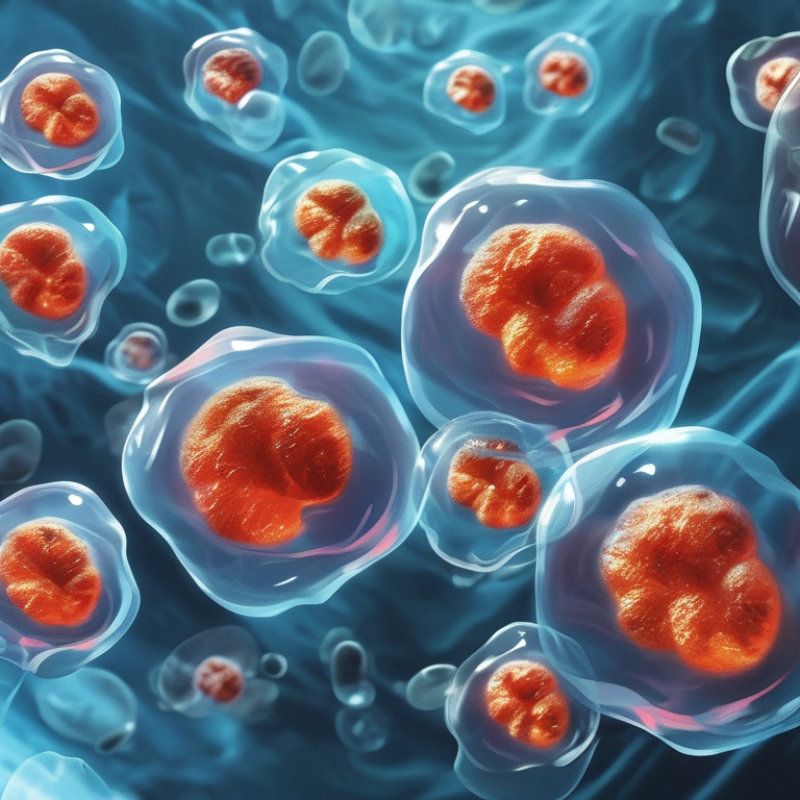
Embryonic stem cell research is a cornerstone of modern medical science. These cells have the unique ability to develop into any cell type in the body. This plasticity opens doors to revolutionary treatments for various diseases. For instance, they hold promise for regenerating damaged tissues in conditions like spinal cord injuries and heart disease. Researchers are continually uncovering how these cells can be harnessed for therapeutic applications.
The scientific foundations of this research are deeply rooted in cell biology. Studying embryonic stem cells helps scientists understand early human development. This knowledge not only informs regenerative medicine but also reveals insights into diseases such as cancer. However, the ethical implications of this research cannot be ignored. Debates about the origin of these cells often overshadow the scientific advancements. Balancing ethical concerns and scientific progress remains a challenge. This complexity requires ongoing dialogue among scientists, ethicists, and the public.
Applications of Embryonic Stem Cells in Regenerative Medicine
Embryonic stem cells have unique properties that offer great potential in regenerative medicine. These cells can develop into any cell type in the body. This versatility allows researchers to explore various applications in treating diseases. For instance, they may help generate insulin-producing cells for diabetes patients. They could also repair damaged heart tissue after a heart attack.
Despite their promise, the ethical concerns surrounding embryonic stem cell research cannot be ignored. Many people debate the morality of using human embryos for scientific purposes. This has led to stricter regulations in some regions, impacting research funding and progress. Researchers must address these concerns while striving for medical breakthroughs.
Moreover, clinical applications are still in the early stages. Not all methods have proven successful in human trials. Scientists are constantly refining techniques for safe and effective use. This ongoing research highlights the importance of collaboration between scientists, ethicists, and the public. While the path ahead is fraught with challenges, the potential benefits of embryonic stem cells demand continued exploration.
Why is Embryonic Stem Cell Research Important for Medical Advances? - Applications of Embryonic Stem Cells in Regenerative Medicine
| Application Area |
Description |
Current Status |
Future Potential |
| Regenerative Medicine |
Using stem cells to repair or replace damaged tissues and organs. |
In clinical trials for conditions like heart disease. |
Potential to treat chronic diseases and trauma-related injuries. |
| Neurological Disorders |
Development of therapies for conditions like Parkinson's and ALS. |
Research phase with promising results in animal models. |
Possibility of restoring lost functions in patients. |
| Diabetes Treatment |
Creating insulin-producing cells from stem cells. |
In pre-clinical studies with improvements noted. |
Potential to eliminate dependency on insulin injections. |
| Bone and Cartilage Repair |
Stem cells used to regenerate bone and cartilage in injuries. |
Successful applications in orthopedic surgeries. |
Advancements in sports medicine and injury recovery. |
| Cardiovascular Repair |
Using stem cells to regenerate heart tissue after damage. |
Promising early-stage clinical trials. |
Potential to significantly lower heart failure rates. |
Ethical Considerations Surrounding Embryonic Stem Cell Research
Embryonic stem cell research holds great promise for medical advancements, but it comes with significant ethical considerations. Scientists aim to explore how these cells can treat conditions like Parkinson's and spinal cord injuries. However, the sourcing of these cells raises complex moral questions. Many individuals may feel uncomfortable with the destruction of embryos, viewing them as potential human lives. This concern often fuels heated debates among policymakers, ethicists, and the public.
Navigating these discussions is crucial. Understanding different perspectives helps in grasping the ethical landscape surrounding the topic. Engaging with both scientific and moral viewpoints enriches the dialogue. Ask yourself, what constitutes life? How do we balance potential cures with ethical constraints? It is essential to reflect deeply on the implications of this research.
In addition, consider the voices of those directly affected by diseases. Patients often advocate for research that could provide new treatments. Researchers bear the responsibility of aligning their work with societal values. They must communicate transparently about the potential benefits and risks associated with stem cell research. This transparency fosters trust and encourages informed public participation in ethical discussions.
Recent Breakthroughs and Future Potential in Medical Treatments
Embryonic stem cell research has gained momentum in recent years. Scientists have made remarkable strides in understanding how these cells can differentiate into various cell types. Recent studies indicate potential treatments for diseases like Parkinson's and diabetes. The ability to regenerate damaged tissues raises exciting possibilities for organ repair and replacement.
However, the journey is not without challenges. Ethical concerns surrounding the use of embryonic cells persist. Researchers must navigate regulatory frameworks that vary globally. Addressing these concerns is crucial for public acceptance and funding. Balancing scientific progress with ethical considerations is a tightrope walk.
Looking ahead, the future of embryonic stem cell research is promising yet uncertain. Innovations may enable breakthroughs in regenerative medicine. Yet, we must remain cautious. Continued dialogue is essential to ensure responsible use. Collaboration between scientists, ethicists, and policymakers will shape the path forward. The potential for profound medical advancements awaits, but it must be pursued thoughtfully.
Challenges and Limitations of Current Stem Cell Research Practices
Embryonic stem cell research holds significant promise for medical advancements, but it faces numerous challenges. One major issue is ethical concerns surrounding the sources of these cells. Many argue that the extraction process raises moral questions about potential life. This controversy can hinder funding and support, making research progression difficult. Researchers must navigate these complex moral landscapes while striving for breakthroughs.
Another challenge lies in the technical limitations of current practices. While embryonic stem cells can develop into any cell type, controlling their differentiation remains a daunting task. Scientists face difficulties in consistently guiding these stem cells into specific cell types needed for therapies. Each experiment could yield unpredictable results, leading to frustrations and inefficiencies. Additionally, regulatory hurdles can slow down innovation, as compliance with strict guidelines can lengthen research timelines. These obstacles remind the scientific community of the delicate balance between advancement and responsibility.
Importance of Embryonic Stem Cell Research for Medical Advances
This chart illustrates the significance of various research areas in embryonic stem cell research, with regenerative medicine showing the highest importance level, followed by disease modeling and drug testing.