Why is Stem Cell Research Important for Medical Advancements?
Stem cell research plays a critical role in advancing modern medicine. According to the National Institutes of Health (NIH), stem cell therapies have the potential to treat over 70 diseases. This includes conditions like Parkinson’s, diabetes, and spinal cord injuries. The regenerative abilities of stem cells can lead to significant breakthroughs. However, the field faces ethical challenges and public skepticism.
Research indicates that stem cells can regenerate damaged tissues. For instance, clinical trials have shown promising results in restoring heart function after a heart attack. Yet, progress can be slow and complex. Researchers must navigate regulatory hurdles and societal concerns. Despite these obstacles, the potential impacts on healthcare are vast and transformative.
Moreover, funding remains a challenge for many labs. According to the Stem Cell Research Network, investments in this field could yield billions in economic benefits. However, public awareness and education about stem cell research are often lacking. Misunderstandings persist, leading to hesitancy in acceptance. As we push forward, it is crucial to address these issues while maintaining focus on the promising advancements.
The Definition and Types of Stem Cells in Medical Research
Stem cells play a crucial role in medical research. These unique cells have the ability to develop into different types of cells in the body.
There are primarily two types of stem cells: embryonic and adult stem cells.
Embryonic stem cells come from embryos and can become any cell type. They offer great potential but raise ethical concerns.
Adult stem cells, on the other hand, are found in various tissues, like bone marrow and brain. They are limited in their ability to differentiate into other cell types compared to embryonic cells.
However, adult stem cells are less controversial. Researchers aim to find ways to fully utilize both types in treatments.
There are ongoing debates about the limitations and possibilities of stem cell usage.
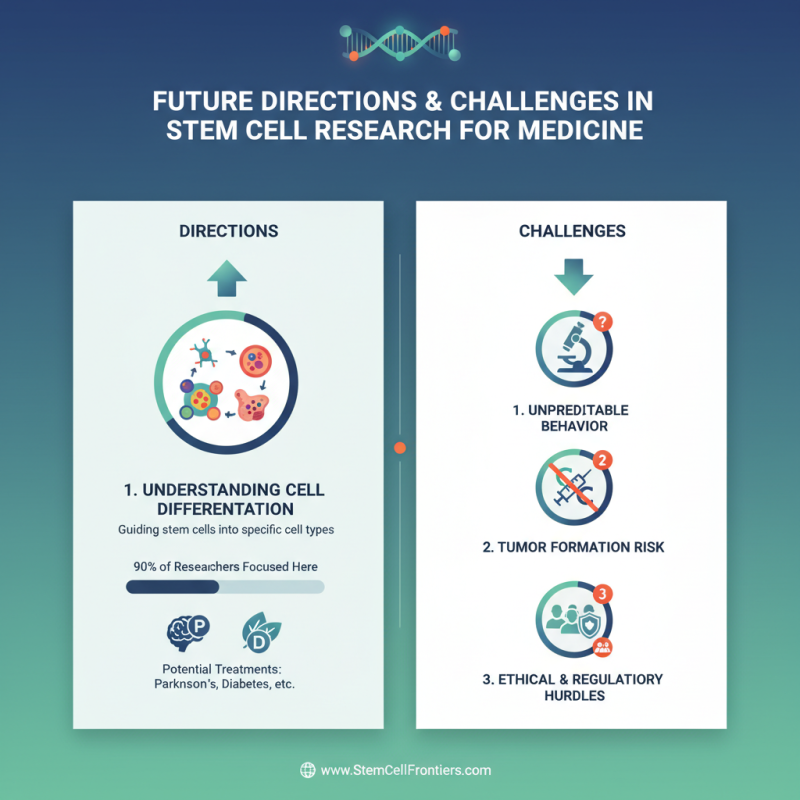
Some breakthroughs have occurred, yet challenges persist. There are risks of tumor formation, and not all cells behave as expected.
Harnessing stem cells for medical advancements requires careful consideration. Mistakes can lead to setbacks in research and patient treatment.
The future of stem cell research holds promise, yet it demands a balanced approach to ethics and science.
The Role of Stem Cells in Regenerative Medicine and Tissue Repair
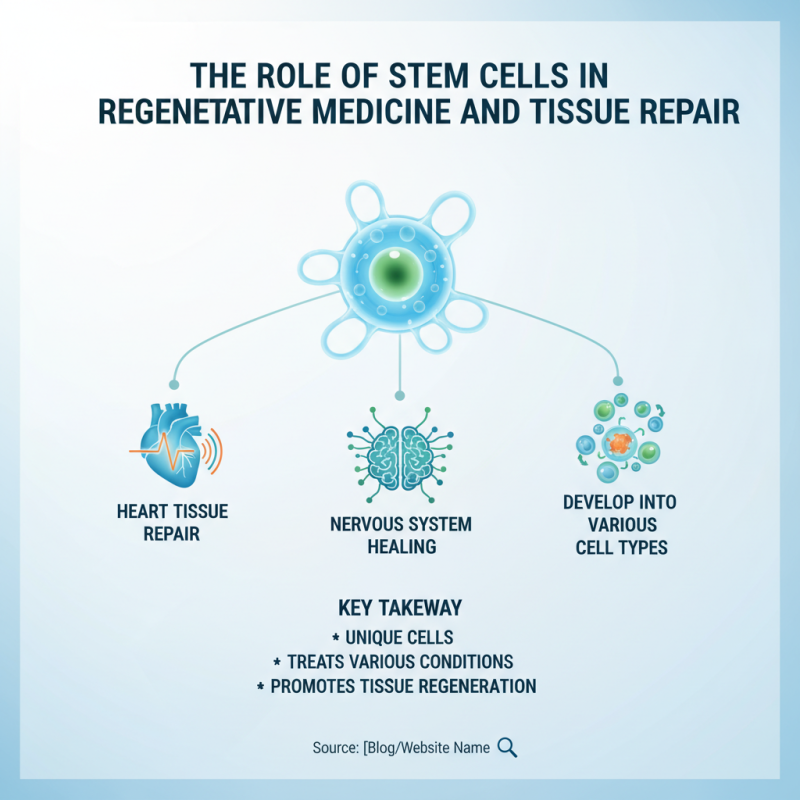
Stem cells play a crucial role in regenerative medicine and tissue repair. These unique cells have the ability to develop into various cell types. This characteristic makes them valuable for treating a range of medical conditions. For example, researchers explore stem cells for healing damaged tissues in the heart and nervous system.
In regenerative medicine, the use of stem cells can lead to innovative treatments. They may help regenerate tissues lost to injury or disease. Scientists aim to harness their potential for healing. However, challenges remain. Understanding how to control stem cell behavior is complex. Even small variations can lead to unexpected outcomes.
Tissue repair using stem cells offers promising approaches, yet ethical concerns linger. The sourcing of stem cells raises questions. Additionally, patients must navigate potential risks. Balancing the benefits and challenges of stem cell therapy requires careful consideration. Every advancement brings both hope and uncertainty.
Potential Applications of Stem Cell Research in Treating Diseases
Stem cell research holds immense potential for treating various diseases. These cells can develop into many types of cells. This versatility makes them crucial in regenerative medicine. Conditions like diabetes, heart disease, and spinal cord injuries may benefit from stem cell therapies. Scientists are exploring how to harness this potential effectively.
Tips: Always stay updated on ethical discussions surrounding stem cell research. Engage with communities that support this science. It’s essential to understand both its promise and the debates.
Treatments using stem cells can repair damaged tissues. For example, researchers are investigating their use for repairing heart muscles after a heart attack. However, there are still many challenges. Ensuring the safety and efficacy of these treatments is critical. Patient outcomes can vary widely, and this requires ongoing research.
Tips: Be cautious when discussing stem cell options. Misconceptions can lead to disappointment. Engage with healthcare professionals to get accurate information.
Why is Stem Cell Research Important for Medical Advancements? - Potential Applications of Stem Cell Research in Treating Diseases
| Disease |
Potential Application |
Current Research Status |
Future Prospects |
| Parkinson's Disease |
Regeneration of dopaminergic neurons |
Ongoing clinical trials for cell transplant therapy |
Potential to restore movement functions |
| Diabetes |
Insulin-producing cell replacement |
Research on generating beta cells from stem cells |
Aiming for a cure rather than just management |
| Spinal Cord Injury |
Neural regeneration and repair |
Preclinical studies showing promising results |
Potential to restore mobility and sensation |
| Heart Disease |
Regeneration of heart tissue |
Phase 2 clinical trials evaluating effectiveness |
Aiming to reduce heart failure risks |
| Multiple Sclerosis |
Repairing myelin and nerve restoration |
Innovative therapies in early stages |
Possibility of halting disease progression |
Ethical Considerations Surrounding Stem Cell Research and Therapy
Stem cell research holds great promise for treating serious diseases. However, it raises complex ethical questions. These cells can regenerate damaged tissues, which is crucial for diseases like Parkinson’s or diabetes. The potential to heal is inspiring. Yet, where do we draw the line?
The source of stem cells often stirs debate. For instance, embryonic stem cells come from human embryos. Some view this as the destruction of human life, raising moral concerns. Others argue that the potential benefits outweigh these considerations. It’s a sensitive topic, deeply intertwined with personal beliefs and values.
Ethical oversight is essential. Regulations must ensure responsible research. Society must navigate the fine line between innovation and morality. Questions about consent in sourcing cells also arise. Balancing scientific advancement with ethical integrity is challenging. We must reflect on the implications of our choices.