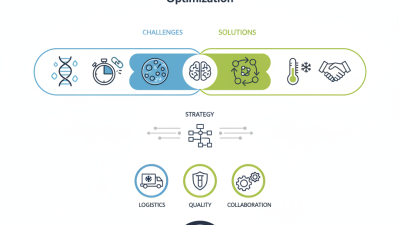
How to Source Cell and Gene Therapy Products Effectively?
The landscape of cell and gene therapy is rapidly evolving. Sourcing these products effectively requires a deep understanding and strategic approach. As the demand for innovative therapies grows, the complexities of sourcing must be addressed.
Cell and gene therapies promise to revolutionize treatment for various diseases, yet their production involves intricate processes. Identifying reliable suppliers is crucial. Companies must evaluate their expertise and compliance with global standards. This can be difficult and time-consuming.
Navigating this landscape also requires awareness of potential pitfalls. Poor sourcing decisions can lead to delays and financial losses. Companies need to reflect on their criteria and continuously refine their strategies. Reliable partnerships are essential for success in this competitive field. By doing so, they can ensure the quality and efficacy of cell and gene therapy products.
Understanding the Basics of Cell and Gene Therapy Products
Cell and gene therapy products represent a revolutionary advancement in the treatment of genetic disorders and cancers. These therapies aim to modify or manipulate genes to treat or prevent diseases. According to a report by Grand View Research, the global cell therapy market is expected to reach $33.5 billion by 2025. This highlights the growing importance of sourcing these products effectively.
Finding the right supplier is essential. It requires understanding regulatory frameworks and compliance standards. Many companies face challenges due to strict regulations in the cell and gene therapy industry. The Biological License Application (BLA) process can be lengthy and complex. Partnerships with experts can simplify this process, ensuring compliance and quality.
Tip: Establish relationships with regulatory consultants early in your search for suppliers. Their expertise can help navigate complex regulations and avoid costly delays.
Moreover, the quality of raw materials can significantly impact therapy outcomes. Consistency in product quality is crucial for successful applications. Many organizations struggle to maintain this quality. Therefore, it is vital to conduct thorough assessments of suppliers' capabilities.
Tip: Implement a robust quality management system (QMS) to monitor supplier performance and product quality continuously. This can lead to better decision-making in sourcing therapies.
Analysis of Cell and Gene Therapy Product Development Stages
Identifying Reliable Suppliers and Manufacturers
When sourcing cell and gene therapy products, identifying reliable suppliers and manufacturers is essential. Look for companies with a proven track record. Those with experience in the industry often maintain higher quality standards. Conduct thorough background checks on potential partners. Investigate their certifications and compliance with regulatory requirements.
Tips: Focus on companies that provide transparent documentation. This includes quality control reports and production processes. Establish a dialogue with suppliers about their methods and timelines. Clear communication can reveal their reliability.
Evaluate reviews from other clients. Feedback can show consistent performance or alarming red flags. Remain critical; not every positive review is a true reflection of quality.
Tips: Attend industry conferences. Networking can help identify trustworthy manufacturers. Engaging with others in the field opens lines of communication that lead to recommendations. Relationships can also guide you to innovative suppliers who meet your needs.
Evaluating Quality and Compliance Standards
Evaluating quality and compliance standards in cell and gene therapy products is crucial. Research shows that 73% of manufacturers consider regulatory compliance the top concern. The complexity of these therapies demands rigorous evaluation methods. Ensuring that products meet safety and efficacy standards can take years. Data from recent industry reports highlight that 30% of cell therapy candidates fail pre-clinical evaluations due to quality issues.
Quality control protocols must adapt to the unique nature of these therapies. Variables like sourcing cell lines, culture conditions, and manufacturing practices can significantly impact product integrity. A recent survey found that 56% of organizations struggle with maintaining consistent quality. This highlights the need for better training and clear guidelines. Reports indicate that peer-reviewed studies confirm compliance gaps can lead to delayed market entry, costing companies millions.
Moreover, transparency in sourcing practices is essential. Third-party audits can help verify compliance, but only 42% of companies routinely perform them. There is a demand for tighter collaborations among research institutions, regulatory bodies, and manufacturers. Fostering a culture of accountability is vital. Unaddressed quality issues risk not only economic loss but also patient safety and trust in emerging therapies.
Strategies for Efficient Product Procurement
Efficient product procurement in cell and gene therapy requires a strategic approach. Industry reports highlight that precision sourcing can improve both speed and efficacy. A 2022 study indicated that organizations with optimized supply chains reduce delivery times by 30%. Transparency in sourcing is crucial. Companies must evaluate suppliers based on quality and reliability.
A robust supplier relationship can lead to better negotiations. Data suggests that long-term partnerships can lower costs by up to 20%. Regular audits can identify potential risks early. Companies often overlook the need for continuous evaluation. Building a network of trusted suppliers is essential. It allows for flexibility during unforeseen challenges.
Monitoring industry trends is another vital strategy. Staying informed about regulatory changes and market demands shapes procurement decisions. Integrating data analytics can provide insights into vendor performance. Success in cell and gene therapy sourcing increasingly depends on adaptability. The evolving landscape necessitates ongoing reflection and reevaluation of strategies. Organizations must be vigilant in their approach to procurement to stay competitive.
How to Source Cell and Gene Therapy Products Effectively? - Strategies for Efficient Product Procurement
| Dimension |
Details |
| Therapeutic Area |
Oncology, Rare Diseases, Autoimmune Disorders |
| Product Type |
Cell Therapies, Gene Therapies, Combination Therapies |
| Source of Procurement |
Contract Manufacturers, Research Institutions, Biotech Labs |
| Quality Standards |
cGMP, ISO 13485, FDA Approval |
| Regulatory Compliance |
FDA, EMA, ICH Guidelines |
| Supply Chain Management |
Cold Chain Solutions, Just-in-Time Delivery, Risk Mitigation |
| Cost Management |
Budgeting, Pricing Strategy, Cost-Benefit Analysis |
| Partnership Development |
Collaborations, Licensing Agreements, Joint Ventures |
Navigating Regulatory and Market Considerations
Sourcing cell and gene therapy products requires a deep understanding of regulatory landscapes. As of 2022, over 200 cell and gene therapies received marketing authorization globally. However, the regulatory environment varies significantly across regions. In the U.S., the FDA prioritizes expedited approval pathways, while the EMA in Europe initiates a more comprehensive review. Companies must stay well-informed about these processes to navigate successfully.
Market considerations also play a crucial role in sourcing strategies. Industry reports indicate that the global cell and gene therapy market is projected to reach approximately $66 billion by 2027. The increasing demand for personalized medicine pushes organizations to adopt agile sourcing models. However, challenges remain, such as the need for robust supply chains and reliable partnerships. Any lapse in quality or compliance can lead to significant delays and financial losses.
Moreover, sourcing in this arena is not without complications. Companies often face hurdles like changing regulations and evolving market dynamics. Keeping an updated database for regulatory changes is essential yet often overlooked. Failed attempts to source effective therapies can lead to tangible setbacks. It's imperative to foster a culture of continuous learning and adaptation. Investing in training for regulatory expertise and supply chain management ensures organizations meet evolving demands.