Top Induced Pluripotent Stem Cells Breakthroughs You Need to Know?
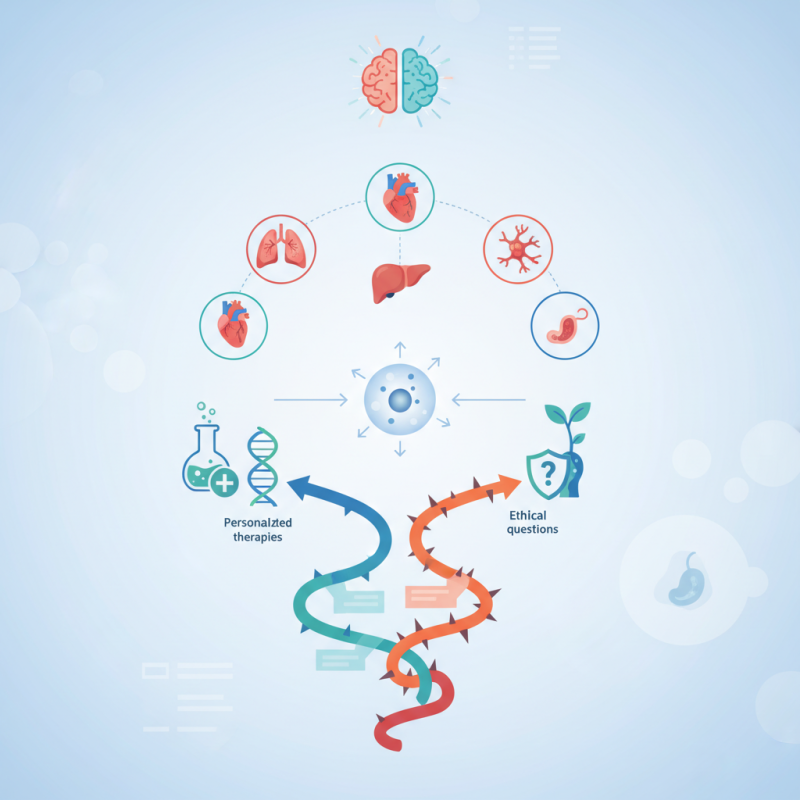
Recent advances in induced pluripotent stem cells (iPSCs) have transformed medical research. This technology allows scientists to reprogram adult cells into a pluripotent state. With this, the potential to create personalized therapies has expanded.
Dr. Shinya Yamanaka, a pioneer in iPSC research, has remarked, “The ability to generate any cell type from iPSCs is groundbreaking.” His work has led to new treatments for diseases ranging from Parkinson's to heart conditions. These breakthroughs are promising yet come with challenges.
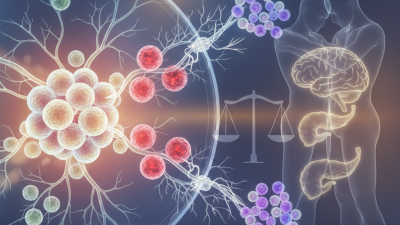
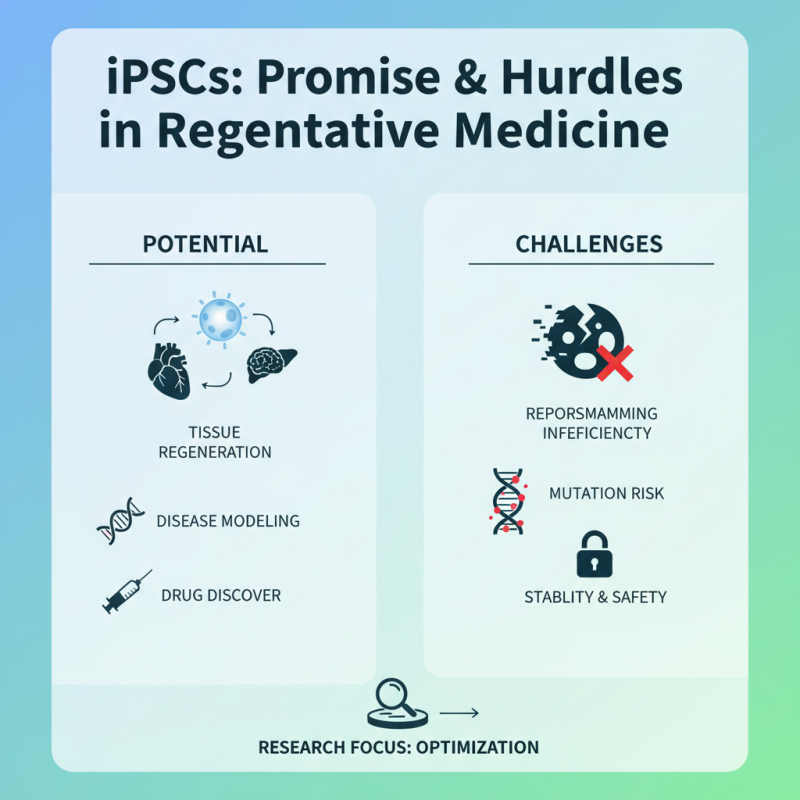
Despite the potential, there are ethical questions and safety concerns. Scientists still wrestle with issues like tumor formation. As iPSC research progresses, it demands careful consideration from the scientific community. The journey is exciting, but not devoid of obstacles.
Recent Advances in Induced Pluripotent Stem Cell Research
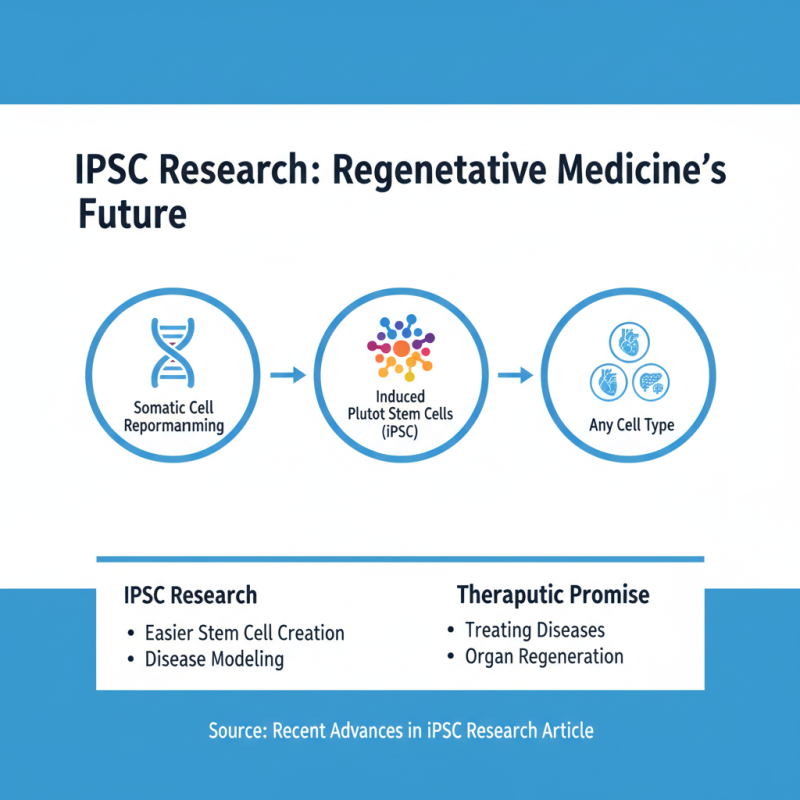
Recent advances in Induced Pluripotent Stem Cell (iPSC) research have transformed the field of regenerative medicine. Scientists have found new ways to reprogram somatic cells. This makes it easier to create stem cells that can develop into any cell type. These breakthroughs hold great promise for treating diseases.
One exciting development involves the use of small molecules. They improve the efficiency of reprogramming without introducing genetic changes. This method is easier and safer than previous techniques. However, researchers are still grappling with the potential risks. Creating stable, functional cells remains a challenge. It's not perfect yet, and scientists must tread carefully.
Additionally, the application of iPSCs in drug development is progressing. High-throughput screening using iPSCs is now a reality. This enables rapid testing of drug effects on specific cell types. But this approach also raises ethical questions. We need to consider the implications of creating patient-specific cells. Balancing innovation and responsibility is crucial as research continues.
Key Techniques for Generating Induced Pluripotent Stem Cells
The field of induced pluripotent stem cells (iPSCs) has seen remarkable advancements. One key technique is the use of pluripotency factors. Researchers typically employ Yamanaka factors, which are four specific genes. These genes initiate the reprogramming process and turn somatic cells into iPSCs. However, the efficiency of this reprogramming can vary greatly. Many attempts result in low success rates.
Another notable method is the use of small molecules. These compounds can enhance the reprogramming process. They facilitate a smoother transition into the pluripotent state. Yet, the choice of small molecules often requires trial and error. Finding the right combination can be time-consuming and challenging. The potential for off-target effects also raises concerns.
Recently, new techniques like CRISPR have emerged. This technology allows for precise edits in the genome. It might improve the quality of iPSCs. Still, researchers must proceed cautiously. Ethical considerations are paramount. Balancing innovation with responsibility is a work in progress. The journey of iPSC research is filled with promise and challenges. Each breakthrough invites reflection on the future of regenerative medicine.
Applications of Induced Pluripotent Stem Cells in Medicine
Induced pluripotent stem cells (iPSCs) are changing the landscape of medicine. They can transform into any cell type, making them invaluable for research and therapy. Their ability to replicate an individual’s genetic makeup offers hope for personalized medicine. For instance, researchers are exploring ways to generate insulin-producing cells for diabetics from iPSCs.
However, the applications are not without challenges. Safety concerns arise when using iPSCs in humans, as uncontrolled growth can lead to tumors. Ethical considerations in sourcing and using stem cells also complicate the pathway to successful treatments. Understanding these factors is crucial for medical practitioners.
**Tips:** Always stay updated on new research findings. Engage with the scientific community to discuss advancements and setbacks. Reflecting on the current limitations can drive future innovations. Cooperation between researchers and ethicists is vital for responsible use.
Applications of Induced Pluripotent Stem Cells in Medicine
Ethical Considerations in Induced Pluripotent Stem Cell Studies
Induced pluripotent stem cells (iPSCs) represent a major advancement in regenerative medicine. However, ethical concerns arise with their use. One issue is the potential for misuse. As the technology evolves, so does the capability to create personalized genetic tissues. A recent study found that over 70% of researchers expressed concerns about potential misuse in genetic enhancements. This raises questions about designer babies and social inequality.
Moreover, the process of deriving iPSCs can lead to moral dilemmas. While skin cells are commonly used, the reprogramming process introduces uncertainties. Reports indicate that around 30% of reprogrammed cells may exhibit genetic abnormalities. This could cause unintended consequences when used in therapies.
Consent is another crucial point. Patients donating cells must fully understand the risks. A survey showed that only 50% of participants felt adequately informed about iPSC research. This gap in knowledge invites reflection on how we communicate the science. Ethical guidelines often lag behind technological advances, highlighting the need for constant review. The balance between innovation and ethical considerations remains fragile and requires ongoing dialogue.