Top Trends in Cell Discovery for 2026 What to Expect
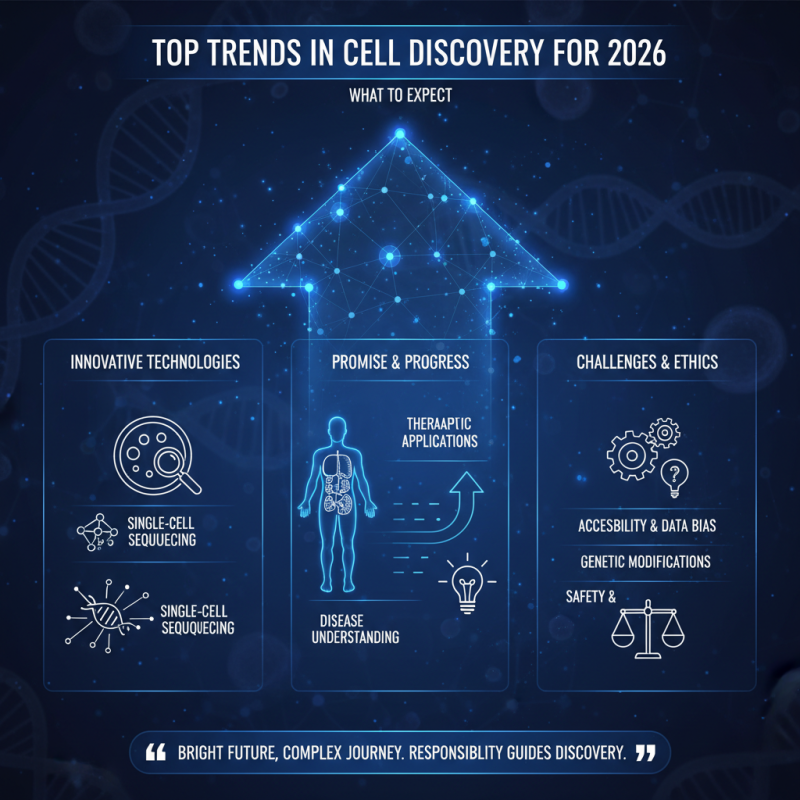
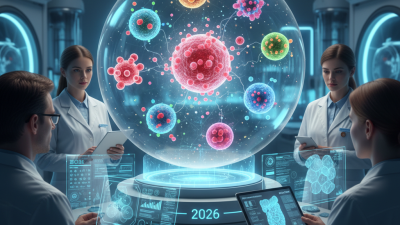
The landscape of cell discovery is evolving rapidly. As we approach 2026, significant trends are emerging. These trends promise advancements in biomedical research and therapeutic applications.
Researchers are harnessing innovative technologies. Single-cell sequencing is one such innovation. It allows scientists to analyze cells with unprecedented precision. This can lead to breakthroughs in understanding diseases at the cellular level. Yet, we must consider the limitations of these technologies. Accessibility and data interpretation remain challenges.
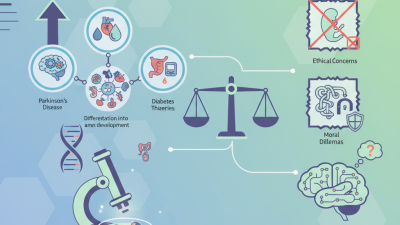
The future of cell discovery is bright but complex. Ethical concerns around genetic modifications persist. The race for new therapies must also be balanced with safety. Progress often comes with responsibility. As we advance, continuous reflection on these aspects is vital. Cell discovery holds many promises, and the journey is just beginning.
Emerging Technologies in Cell Discovery for 2026
The field of cell discovery is evolving rapidly, driven by emerging technologies that promise groundbreaking advancements. One key trend is the use of CRISPR technology. This gene-editing tool allows researchers to modify DNA with precision. As CRISPR becomes more refined, we can expect quicker discoveries in cell functionalities.
Another significant technology is artificial intelligence. AI algorithms can analyze vast amounts of biological data swiftly. This aids scientists in identifying patterns that were previously overlooked. The partnership between AI and cell biology is growing stronger every year.
Tip: Embrace collaboration. Sharing ideas with others in the field can lead to unexpected breakthroughs.
Moreover, single-cell sequencing is gaining prominence. This technique allows researchers to inspect individual cells, uncovering secrets of their behavior. It opens new avenues for understanding diseases at a cellular level. However, it also raises challenges in data interpretation and accuracy.
Tip: Stay informed. Regularly review the latest findings in cell discovery to enhance your insights.
Key Advances in Cell Culturing Techniques
Cell culturing has evolved significantly in recent years. Researchers are continuously seeking ways to improve their techniques. In 2026, we can expect even more innovative methods to emerge.
One exciting trend is the use of 3D cell cultures. Unlike traditional methods, these systems mimic the natural environment of cells more accurately. This leads to better cell behavior and more reliable experimental results. However, challenges remain. These culturing techniques can be tricky to optimize. Scientists often face hurdles in scaling them up for larger studies.
Another advancement is the integration of artificial intelligence. AI can analyze massive amounts of data. It predicts outcomes and suggests better culturing conditions. This could revolutionize how cells are grown and studied. Yet, reliance on technology raises questions. Are we losing the human touch in research? Balancing tech and intuition will be key in this evolving field.
Top Trends in Cell Discovery for 2026: Key Advances in Cell Culturing Techniques
The Role of Artificial Intelligence in Cell Research
Artificial Intelligence (AI) is transforming cell research. By 2026, AI will play a central role in cell discovery. Reports show that AI can analyze vast data sets much faster than traditional methods. It allows researchers to identify patterns and make predictions. This speeds up the process of discovering new cell types and therapies.
Tips: Leverage AI tools to manage large datasets effectively. Understand how they can improve the accuracy of your findings. Collaborate with data scientists to enhance your research capabilities.
However, reliance on AI brings challenges. Machine learning algorithms can be biased based on the data they are trained on. If the input data lacks diversity, results may not be reliable. Researchers must maintain a critical approach when interpreting AI-generated results. Ensuring transparency in AI processes is vital.
Tips: Regularly review dataset quality. Facilitate discussions on ethical AI use in research. Stay aware of emerging AI regulations to guide your work in cell discovery.
Future Applications of Cell Discovery in Medicine and Biotechnology
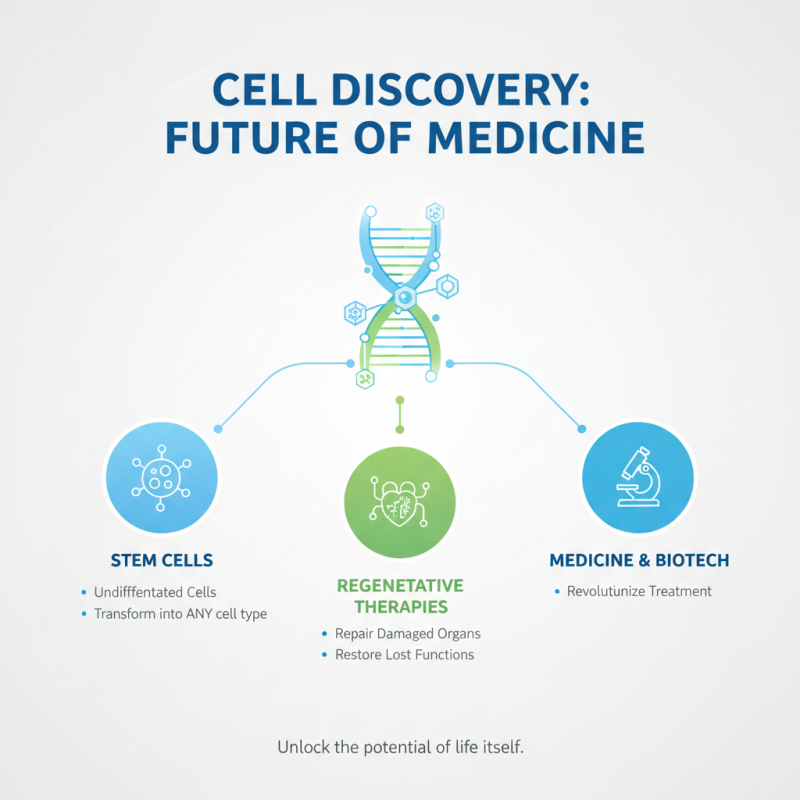
The future of cell discovery will revolutionize medicine and biotechnology. Researchers are focusing on understanding stem cells and their potential. These cells can turn into various cell types, offering hope for regenerative therapies. Imagine repairing damaged organs or restoring lost functions.
Cell-based therapies could become a routine treatment. Personalized medicine might rely on customized cell applications. However, the ethical implications are complex. Who decides how these cells are used? The accessibility of these therapies could also create disparities. It’s essential to address these issues as advancements occur.
Additionally, using AI to analyze cell behavior presents exciting possibilities. This fusion of technology with biology can enhance our understanding. Yet, it raises questions about data privacy and consent. As we forge ahead, we must consider these challenges. Balancing innovation with ethical responsibility is crucial for a sustainable future in cell discovery.