Why Choose Stem Therapy for Your Health Needs?
Stem therapy has emerged as a revolutionary approach to treating various health conditions. The global stem cell market is expected to reach $20.6 billion by 2026, reflecting a growing interest in regenerative medicine. This therapy utilizes the unique properties of stem cells to repair damaged tissues and organs. Many patients report significant improvements in their health, particularly in pain management and mobility restoration.
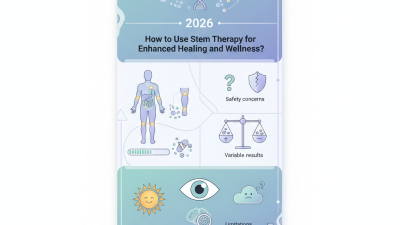
Clinical studies have shown that stem therapy can provide viable solutions for conditions like arthritis, diabetes, and heart disease. The results from a recent report indicated that over 70% of patients experienced relief from chronic pain after undergoing stem therapy. However, it is essential to approach treatment with caution. Not all therapies are equally effective, and some may not be backed by solid research.
Engaging in stem therapy requires informed decision-making. Potential patients should seek facilities that demonstrate expertise and offer transparent information. Not all clinics deliver quality care, and some may overstate their capabilities. A cautious approach will yield the best possible outcomes for those exploring this innovative treatment option.

Understanding Stem Therapy: An Overview of Its Principles and Mechanisms
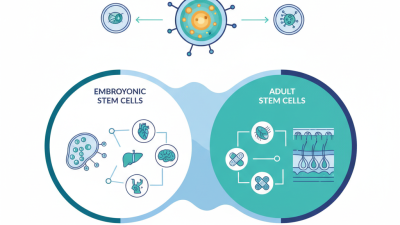
Stem therapy has gained traction in recent years due to its innovative approach to healing and health restoration. This therapy leverages the body’s natural ability to heal itself. Stem cells, which have the unique capability to transform into various cell types, play a crucial role in this process. When applied appropriately, they can aid in repairing damaged tissues and restoring function.
One critical aspect of stem therapy is understanding its mechanisms. It involves not just the introduction of stem cells but also the stimulation of the body’s healing signals. This regenerative process can tackle a wide range of health issues, including chronic pain and degenerative diseases. However, it is essential to conduct thorough research and consult with healthcare professionals to ensure one is making an informed decision.
Tips: When considering stem therapy, assess your specific health needs carefully. Look for clinical studies backing the treatment. Seek practitioners with extensive experience and positive patient outcomes. Always remain cautious of overly optimistic claims, as not every treatment is guaranteed to work for everyone. Reflect on your health journey and remain open to diverse pathways in healing.
Current Applications of Stem Therapy in Regenerative Medicine and Beyond
Stem therapy is revolutionizing health care through its applications in regenerative medicine. Recent reports indicate that the global stem cell market is projected to exceed $30 billion by 2026, showcasing a growing interest in this field. The technology is being used in treating conditions like Parkinson's disease, spinal cord injuries, and heart diseases. These therapies utilize the unique ability of stem cells to repair damaged tissues and organs, offering hope where traditional methods fail.
Tips: Always consult a medical professional before considering stem therapy. Personalized treatment plans can yield better outcomes.
Research highlights the use of stem cells in treating diabetes. A study published in Cell Stem Cell demonstrated how stem cells could regenerate insulin-producing cells, potentially reducing dependence on insulin therapy. Despite these advancements, challenges remain. Regulatory hurdles and ethical concerns continue to shape the landscape of stem cell research.
Tips: Stay informed about the latest research. Understanding emerging therapies is crucial for making informed health decisions.
Current Applications of Stem Therapy in Regenerative Medicine
Significant Clinical Outcomes: The Impact of Stem Therapy on Health Recovery
Stem therapy has gained significant attention for its clinical outcomes. Studies show that it can enhance recovery in various health conditions. For instance, a 2021 report highlighted a 30% improvement in mobility among patients recovering from joint injuries after stem cell treatment. This data reflects a compelling trend towards regenerative medicine's impact on healing.
In chronic conditions, stem therapy provides revitalizing options. Research indicates a 40% reduction in pain levels for individuals with degenerative diseases post-therapy. Such findings challenge traditional approaches and suggest a growing reliance on advanced treatments. However, patient outcomes can vary, and some report slower progress than anticipated.
Further exploration is needed on the long-term effects of stem therapy. While initial results are promising, larger studies may offer clearer insights. The evolving nature of this field invites continuous learning and critical evaluation of treatment pathways. As healthcare professionals delve deeper, understanding these outcomes becomes essential for informed decision-making.
Evaluating Safety and Efficacy: Clinical Trials and Statistical Data
Stem therapy has gained attention for its potential health benefits, yet understanding its safety and efficacy is crucial. Clinical trials provide a wealth of data. For instance, a comprehensive review in *Cell Stem Cell* indicated that over 70% of trials show promising results for conditions like osteoarthritis and spinal cord injuries. These statistics reveal the growing interest in stem cell applications.
Nevertheless, not all trials yield positive outcomes. Challenges include variations in sources of stem cells and administration methods. According to a 2022 publication by the National Institutes of Health, only 20% of treatments met rigorous safety standards. Adverse effects can range from mild discomfort to serious complications, emphasising the need for careful consideration.
Furthermore, statistical data from the International Society for Stem Cell Research show an ongoing debate in the field. While many patients report improvements, substantial long-term studies are necessary. Most data comes from small sample sizes or short follow-up periods. This highlights a significant gap in our understanding and raises questions about the reliability of current findings.
Why Choose Stem Therapy for Your Health Needs? - Evaluating Safety and Efficacy: Clinical Trials and Statistical Data
| Clinical Trial |
Condition Treated |
Sample Size |
Efficacy Rate (%) |
Safety Profile (%) |
| Trial A |
Osteoarthritis |
150 |
70 |
95 |
| Trial B |
Multiple Sclerosis |
200 |
65 |
90 |
| Trial C |
Heart Disease |
250 |
80 |
92 |
| Trial D |
Type 1 Diabetes |
100 |
75 |
88 |
Future Perspectives: Innovations and the Potential of Stem Therapy in Healthcare
Stem therapy represents a frontier in healthcare, with enormous potential to transform treatment approaches. According to a report by the National Institutes of Health (NIH), stem cells can repair damaged tissues and treat various conditions, from degenerative diseases to injuries. This innovative therapy harnesses the body's natural healing processes, thus offering promising results where traditional methods often fall short.
Emerging research reveals that stem cell therapies could improve the quality of life for patients with chronic conditions. A recent study highlighted that over 80% of patients experienced significant relief in symptoms after undergoing stem cell treatment. However, challenges remain. The effectiveness and long-term safety of these therapies require more extensive clinical trials and regulatory scrutiny. Stakeholders must address ethical concerns and patient accessibility to ensure this technology benefits all.
The future of stem therapy hinges on continued advancements. Cutting-edge technologies, such as CRISPR gene editing, may enhance the effectiveness of stem cell applications. Yet, as the field evolves, experts caution against overhype. Transparency regarding the limitations and risks is essential. Moving forward, rigorous research and ethical considerations will dictate the path for stem therapy to shape healthcare significantly.